
Early Life and Background
Gene Shalit, born Eugene Shalit on March 25, 1926, in New York City, grew up in an environment that exposed him to literature, culture, and humor from an early age. While his birthplace and general upbringing are known, detailed accounts of his childhood remain limited in public records. This lack of extensive documentation reflects a time when media figures were not subject to the same level of personal scrutiny seen today.
He attended the University of Illinois, where he developed his interest in writing and communication. However, beyond these basic facts, much of his formative years remain largely undocumented, leaving room for interpretation rather than confirmed narrative.
Entry into Journalism and Writing Career
Before becoming a television personality, Gene Shalit established himself as a writer and journalist. He contributed to respected publications such as The New York Times, Cosmopolitan, TV Guide, and Glamour. His work during this period showcased his talent for blending humor with critique, a style that would later define his on-screen persona.
Despite his professional output, detailed insights into his early career journey—such as specific editorial roles, challenges, or influences—are not widely available. Much of what is known comes from scattered references rather than comprehensive accounts, highlighting the limited archival depth surrounding his early professional life.
Rise to Fame on The Today Show
Gene Shalit’s major breakthrough came in 1973 when he joined NBC’s The Today Show as a film and book critic. Over the next several decades, he became a familiar face to millions of viewers, remaining on the program until 2010.
His reviews were known for their lively delivery, wordplay, and accessibility. While his tenure is well documented, detailed behind-the-scenes information—such as editorial decision-making processes or internal dynamics at the show—remains largely undisclosed. His public image was carefully centered around his role as a critic rather than his personal or professional inner workings.
Signature Style and Public Persona
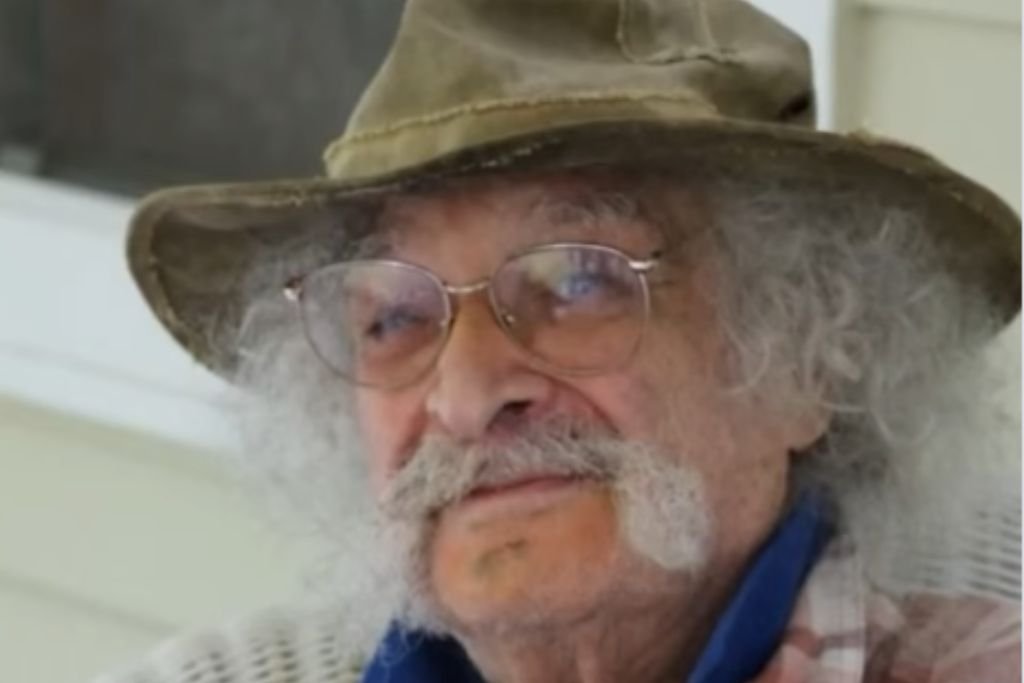
Gene Shalit’s appearance and style made him instantly recognizable. His bushy hair, handlebar mustache, oversized glasses, and colorful bow ties became visual trademarks. More importantly, his use of puns and playful language set him apart from traditional critics.
However, much of what is discussed about Shalit focuses on this outward persona. Deeper insights into how he developed his style, whether it evolved over time, or how he personally viewed his public image are not extensively documented. His identity as a critic is therefore strongly tied to perception rather than detailed self-narrative.
Literary Contributions and Other Work
Shalit also contributed to literature through books such as Laughing Matters: A Celebration of American Humor and Great Hollywood Wit. These works reflect his appreciation for humor and storytelling beyond film criticism.
Even here, the public record tends to emphasize the existence of these works rather than offering detailed commentary on their creation, reception, or long-term influence. His broader intellectual contributions, while acknowledged, are not deeply analyzed in mainstream sources.
Personal Life and Family
Gene Shalit married Nancy Lewis, who passed away in 1978, and he is the father of six children. Some of his children, including Willa Shalit and Dr. Peter Shalit, have achieved recognition in their own fields.
Despite these known facts, Shalit maintained a notably private personal life. There is limited publicly available information about his family relationships, daily routines, or personal experiences. Unlike many modern media figures, he did not cultivate a public narrative around his private life, which contributes to the scarcity of detailed personal information.
Controversies and Public Criticism
One of the few widely documented controversies in Shalit’s career occurred in 2005, following his review of Brokeback Mountain. His remarks were criticized as insensitive, leading him to issue an apology.
Beyond this incident, there is relatively little documentation of major controversies or conflicts in his career. This could indicate either a largely stable professional trajectory or simply a lack of detailed reporting on such matters.
Limitations of Public Information
A significant aspect of understanding Gene Shalit is recognizing the limits of available information about him. While his professional milestones are well recorded, deeper insights into his personal life, motivations, and internal experiences remain scarce.
This gap is partly due to the era in which he rose to prominence, when media coverage focused more on professional output than personal exposure. As a result, most existing content about Shalit tends to repeat the same core facts, with limited expansion into new or detailed territory.
Legacy and Cultural Impact
Gene Shalit’s legacy lies in his ability to bring film criticism to mainstream television audiences. His approachable style made reviews engaging for everyday viewers, and his distinctive persona ensured he remained memorable.
While detailed critical analysis of his long-term influence is somewhat limited, his visibility and longevity on The Today Show cement his place in media history. He represents a bridge between traditional journalism and entertainment-focused criticism.
Conclusion
Gene Shalit stands as a unique figure in American media—widely recognized, yet not deeply documented. His career reflects both the power of personality in broadcasting and the limitations of public records from an earlier media era.
While much about his life remains unknown beyond surface-level facts, his contributions to television criticism and popular culture remain clear. His story is not just about what is known, but also about what has remained private.
Written by: Editorial Desk
Short Answers
Who is Gene Shalit?
An American film and literary critic known for his long career on NBC’s The Today Show.
When was he born?
March 25, 1926.
What made him famous?
His television reviews, distinctive appearance, and pun-based commentary style.
What is known about his family?
He had six children and was married to Nancy Lewis.
Why is there limited information about him?
He maintained a private personal life, and media coverage during his era focused less on personal details.
What is his legacy?
He helped popularize film criticism on television and became a recognizable media personality.
Read More: Druski Net Worth
Read More: Kali Sotres Starr








Leave a Reply