
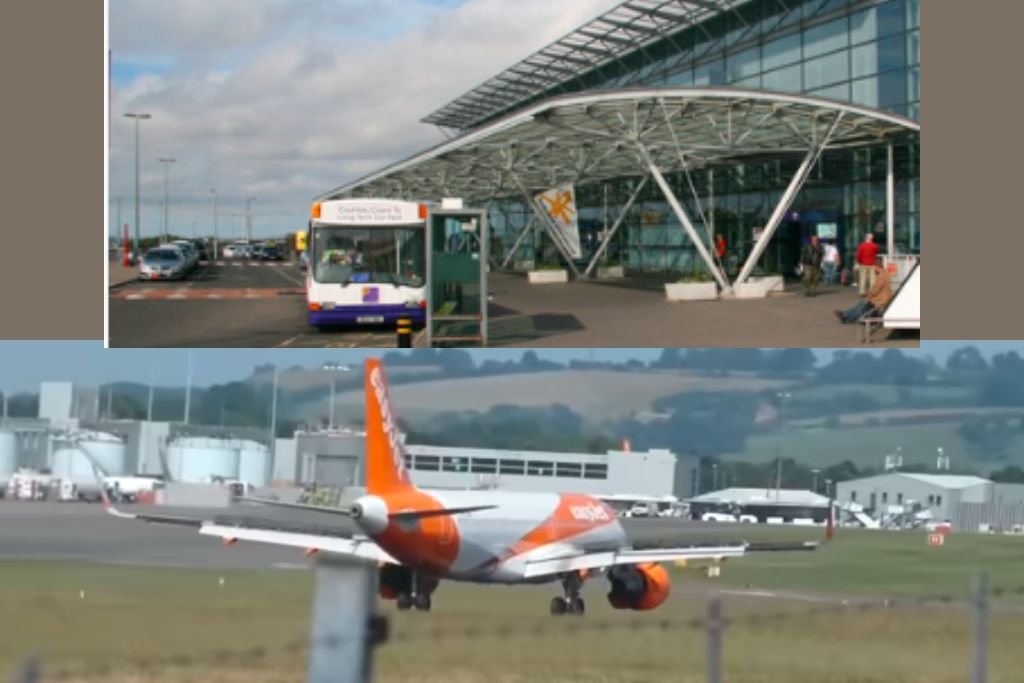
The Night Everything Changed in Mid-Air
Passengers boarded what was supposed to be a routine European hop—an ordinary flight from Copenhagen to Manchester. The cabin lights dimmed, seatbelt signs flickered off, and the quiet hum of engines settled into the background. But somewhere above the clouds, normalcy broke.
What followed on easyJet flight U2238 was not a failure of technology or a dramatic aviation malfunction—but something far more unpredictable: a human emergency at 35,000 feet. Within minutes, a chain of precise, highly technical aviation decisions transformed a routine journey into an emergency diversion toward Newcastle International Airport.
This is not just a story of an emergency landing. It is a deep look into how modern aviation systems, crew training, aircraft design, and decision-making protocols work together when seconds matter.
Incident Overview
Flight Identification and Route
- Flight Number: U2238
- Airline: easyJet
- Aircraft: Airbus A320
- Route: Copenhagen → Manchester
- Diversion: Newcastle International Airport
Nature of Emergency
The diversion was triggered by a serious onboard medical emergency involving a passenger, requiring immediate intervention and rapid access to ground-based medical care.
How an Emergency Begins at 35,000 Feet
Detection of the Problem
In aviation, emergencies rarely begin dramatically. In this case:
- A passenger showed signs of acute medical distress
- Cabin crew identified abnormal condition indicators:
- Breathing irregularities
- Loss of responsiveness
- Possible cardiac or neurological symptoms
Cabin Crew Immediate Response
Cabin crew are trained not just in service, but in aviation medicine protocols:
- Initiated primary assessment (ABC – Airway, Breathing, Circulation)
- Used onboard oxygen systems
- Accessed first aid and emergency medical kits
- Requested assistance from any medical professionals onboard
This phase is critical—it determines whether the situation can be stabilized or requires diversion.
The Technical Decision to Divert
Cockpit Evaluation Process
Once informed, pilots follow a structured aviation risk protocol:
Key Variables Assessed
- Severity of medical condition
- Time to destination (Manchester)
- Nearest suitable airports
- Weather and runway conditions
- Availability of emergency medical services
Why Diversion Was Necessary
Continuing to Manchester would have:
- Increased time to medical care
- Increased risk of passenger fatality
Thus, the pilots chose the nearest viable airport with full emergency capability.
Why Newcastle Was Selected
Strategic Aviation Criteria
Newcastle International Airport met all diversion requirements:
- Closest airport within safe diversion range
- Full Category 9 fire and rescue services
- 24/7 medical emergency readiness
- Suitable runway length for Airbus A320
- Minimal congestion for priority landing
Air Traffic Coordination
Pilots contacted Air Traffic Control and requested:
- Priority routing
- Immediate descent clearance
- Emergency landing slot
ATC cleared airspace, ensuring no delays during approach.
Aircraft Systems That Supported the Emergency
Onboard Medical Equipment
The Airbus A320 is equipped with:
- Emergency medical kits
- Portable oxygen bottles
- Automated External Defibrillator (AED)
- First aid supplies
These systems are designed for temporary stabilization, not full treatment.
Flight Management System (FMS)
The aircraft’s FMS allowed:
- Rapid recalculation of route
- Optimized descent profile
- Fuel adjustment for diversion
Communication Systems
- ACARS system for airline communication
- VHF radios for ATC coordination
The Emergency Descent and Landing
Controlled Descent Procedure
Pilots executed a non-panic, controlled descent, not a rapid emergency dive:
- Adjusted altitude safely
- Maintained cabin pressure stability
- Prepared aircraft for immediate landing
Landing Execution
- Priority runway assigned
- Emergency vehicles positioned
- Aircraft landed safely without technical complications
Ground Response and Medical Handling
Immediate Post-Landing Actions
- Aircraft taxied to emergency stand
- Paramedics boarded instantly
- Passenger transferred to hospital
Airport Emergency Infrastructure
Modern airports like Newcastle provide:
- On-site paramedics
- Ambulance integration
- Rapid runway access
This minimizes time from landing to treatment.
Passenger Experience and Cabin Management
Psychological Control
Cabin crew ensured:
- Calm communication
- Minimal panic
- Clear updates
Operational Impact
- Delayed arrival to Manchester
- Possible reboarding or onward scheduling
- Airline support for affected passengers
Root Cause Analysis
Primary Cause
- Acute medical emergency of a passenger
Not Contributing Factors
- No mechanical failure
- No weather disruption
- No pilot error
This is crucial: the aircraft and systems functioned perfectly.
Technical Aviation Insight
Why Medical Emergencies Are Common
In aviation:
- Thousands of passengers fly daily
- Health conditions can trigger mid-flight
- Cabin pressure and altitude can worsen conditions
Industry Statistics Insight
Medical emergencies are among the top reasons for flight diversions globally, alongside:
- Weather
- Technical faults
- Security concerns
What Happens After Such an Incident
Airline Internal Review
easyJet will:
- Review crew response
- Analyze timeline
- Confirm protocol compliance
Aviation Reporting
Incident may be logged with:
- Civil Aviation Authority
Crew Debriefing
- Psychological and operational review
- Feedback for future improvements
Preventive Measures for the Future
For Airlines
- Enhanced onboard medical kits
- Telemedicine support (doctor via radio)
- Improved crew medical training
For Passengers
- Pre-flight medical disclosure
- Carry essential medications
- Avoid flying in unstable health conditions
For Aviation Industry
- AI-based health monitoring (future concept)
- Faster diversion algorithms
- Better real-time medical guidance systems
Lessons from the Incident
This event proves:
- Aviation is not just about machines, but people
- Safety systems extend beyond engines and wings
- Decision-making under pressure saves lives
The success of this emergency landing lies not in avoiding the problem—but in handling it flawlessly.
Video Coverage and Public Discussion
Media and YouTube Analysis
This incident has been widely discussed in aviation-focused YouTube content, where experts analyze:
- Flight path tracking using radar tools
- Diversion timing and route deviation
- Pilot communication strategies
- Emergency response efficiency
Common discussion points include:
- Why Newcastle was chosen instead of Manchester
- How quickly the decision was made
- Whether earlier diversion was possible
Flight tracking platforms often show:
- Sudden course deviation
- Descent pattern before landing
- Holding or direct approach
These visual analyses help aviation enthusiasts understand real-time decision-making.
Key Data Summary
- Flight: U2238
- Airline: easyJet
- Aircraft: Airbus A320
- Route: Copenhagen → Manchester
- Diversion: Newcastle
- Cause: Medical emergency
- Outcome: Safe landing, passenger treated
- Risk Level: Controlled
Question Answers Section
What caused the easyJet flight U2238 emergency landing?
A passenger suffered a serious medical emergency requiring immediate medical attention.
Was there any technical fault in the aircraft?
No, the aircraft systems were fully functional.
Why did the flight land in Newcastle instead of Manchester?
Newcastle was the closest suitable airport with full emergency medical facilities.
Was the landing dangerous?
No, it was a controlled and safe emergency diversion.
What happens to passengers after such diversions?
They may face delays, rebooking, or continuation after the emergency is resolved.
Final Answer Key Data Carry
- Emergency Type: Medical
- Aircraft Condition: Normal
- Crew Response: Immediate and professional
- Diversion Logic: Nearest safe airport
- Outcome: Successful emergency handling
- Safety Level: High
This incident stands as a textbook example of how modern aviation responds when unpredictability strikes—not with panic, but with precision, training, and control.













Leave a Reply