
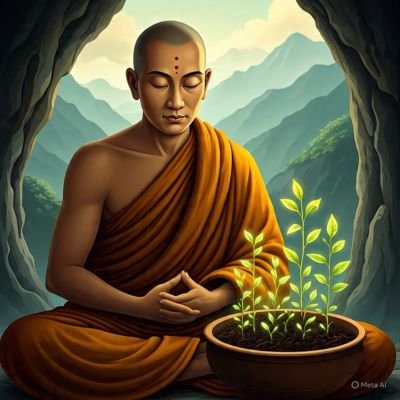
Tea is more than just a drink; it is a cultural phenomenon, a ritual, and a source of comfort for millions across the globe. While the modern history of tea often points to China as its birthplace, India has its own fascinating legends that intertwine spirituality, mythology, and natural discovery. Among these, the most celebrated is the story connected to the legendary Buddhist monk Bodhidharma, which has been passed down through centuries in Indian folklore.
Introduction: The Mystique of Tea
Tea, derived from the leaves of Camellia sinensis, is one of the most widely consumed beverages in the world today. Its aroma, taste, and therapeutic qualities have made it a staple in households, workplaces, and social gatherings. While China is traditionally credited with the discovery of tea around 2737 BCE under Emperor Shen Nung, India’s legend adds a spiritual and mystical dimension to the beverage, highlighting its connection to meditation, mindfulness, and inner awakening.
The Indian legend about the discovery of tea does not merely explain the origin of the drink; it emphasizes a symbolic journey toward enlightenment, alertness, and the pursuit of knowledge. It is a story that resonates with the Indian philosophy of blending the natural world with spiritual growth.
Bodhidharma: The Indian Monk Behind the Legend
The central figure of the Indian legend regarding tea is Bodhidharma, an Indian Buddhist monk believed to have lived between the 5th and 6th centuries CE. Bodhidharma is historically renowned for traveling from India to China, where he introduced Chan Buddhism, which later evolved into Zen Buddhism. His life and practices became legendary for their strict discipline, meditation, and spiritual dedication.
According to folklore, Bodhidharma was a man of extreme discipline. He meditated for years in solitude, seeking enlightenment through deep spiritual practice. It is said that during one such period, he meditated in a cave for nine continuous years. Despite his devotion, Bodhidharma struggled to remain awake during long hours of meditation. Sleep threatened to interrupt his spiritual practice, and he was determined not to let drowsiness hinder his path to enlightenment.
The Mythical Discovery: Tea from Bodhidharma’s Eyelids
The legend takes a dramatic turn here. Frustrated by his inability to stay awake during meditation, Bodhidharma allegedly cut off his eyelids and discarded them onto the ground. The tale becomes magical from this point: where his eyelids fell, ten tea plants sprouted. When the leaves of these plants were later boiled in water, they created a drink that had the remarkable ability to stimulate alertness and focus. In essence, tea became the ultimate companion for meditation and mindfulness, a divine gift to those seeking clarity and spiritual awakening.
This story, while clearly allegorical, conveys several symbolic messages:
- Alertness and Vigilance: Tea helps one stay awake, reflecting the monk’s commitment to his spiritual practice.
- Spiritual Awakening: The beverage became synonymous with inner awakening, just as meditation awakens the mind.
- Connection to Nature: The growth of tea plants from Bodhidharma’s discarded eyelids symbolizes the harmony between human endeavor and the natural world.
The Symbolism of Tea in Indian Culture
The legend emphasizes that tea is not just a beverage but a symbol of enlightenment and meditation. In Indian culture, where spiritual practices are deeply interwoven with daily life, tea represents more than refreshment — it represents mindfulness.
The ritual of brewing and drinking tea can be seen as a form of meditation in itself. The process — from boiling the water to steeping the leaves and savoring the aroma — encourages patience, attentiveness, and appreciation of the present moment. This connection between tea and awareness resonates deeply with the principles espoused by Bodhidharma in his teachings.
Historical Context of Tea in India
While the legend provides a fascinating narrative, it is important to differentiate folklore from historical fact. Tea plants (Camellia sinensis) have been indigenous to regions that include the Eastern Himalayas, Assam, and parts of northeastern India. Indigenous tribes such as the Singpho were already familiar with the leaves and used them in local customs.
Commercial tea cultivation in India began much later under British influence in the 19th century. The British East India Company initiated large-scale tea plantations in Assam and Darjeeling, transforming India into one of the largest tea producers in the world. However, the Indian legend continues to enrich the cultural heritage of tea, connecting it to spirituality and folklore rather than commerce.
Tea, Meditation, and Spirituality
The story of Bodhidharma highlights the relationship between tea and meditation, a theme that has influenced not only Indian and Chinese traditions but also Japanese tea culture. Tea is often consumed during meditation sessions to enhance alertness and maintain focus. The legend underscores this timeless connection, portraying tea as both a practical aid and a spiritual companion.
By linking the discovery of tea to an Indian monk, the legend provides India with its own mystical narrative, distinct from the Chinese origin story. It demonstrates the universality of tea as a beverage that nourishes both the body and the mind.
Tea as a Cultural Legacy
Tea’s journey from legend to daily life illustrates how a simple plant can gain profound cultural significance. In India, tea has transcended its role as a drink to become a symbol of hospitality, community, and contemplation. The legend of Bodhidharma reminds us that tea was not merely discovered by chance; it represents the merging of human effort, natural resources, and spiritual pursuit.
Even today, millions of Indians start their day with tea, unknowingly continuing a practice steeped in centuries-old myth. Each sip can be seen as a subtle nod to the spiritual dedication of Bodhidharma, celebrating alertness, mindfulness, and the awakening of the senses.
Modern Relevance of the Legend
In contemporary times, the Indian legend of tea continues to inspire cultural appreciation and storytelling:
- Cultural Narratives: Folktales, literature, and blogs celebrate the mystical origins of tea, preserving the story for future generations.
- Mindfulness and Wellness: The legend reinforces tea’s association with calmness, alertness, and meditation — values that are increasingly relevant in today’s fast-paced lifestyle.
- Global Influence: Even though commercial tea production is well documented historically, the legend adds a poetic dimension, reminding the world that tea is more than a commodity; it is a legacy of human creativity and spiritual pursuit.
For enthusiasts, historians, and casual tea drinkers alike, the Indian legend of Bodhidharma offers a unique perspective that combines history, mythology, and cultural heritage.
Conclusion
The Indian legend regarding the discovery of tea is more than a story — it is a symbol of alertness, spiritual awakening, and the harmonious relationship between humans and nature. According to folklore, tea plants sprang from the eyelids of the devoted monk Bodhidharma, giving the world a beverage that stimulates both body and mind.
While historical research points to other regions for the botanical origins of tea, the Indian legend enriches the cultural tapestry surrounding this beloved drink. It emphasizes that tea is not just about flavor or commerce but also about mindfulness, meditation, and spiritual vigilance.
For readers eager to explore cultural stories that blend history, mythology, and everyday life, this legend is a testament to the enduring power of folklore in shaping our understanding of simple yet profound aspects of human life.
At Infoaxis, we celebrate such fascinating stories that reveal the depth of Indian heritage and its contributions to global culture, including the humble yet extraordinary journey of tea.





Leave a Reply