
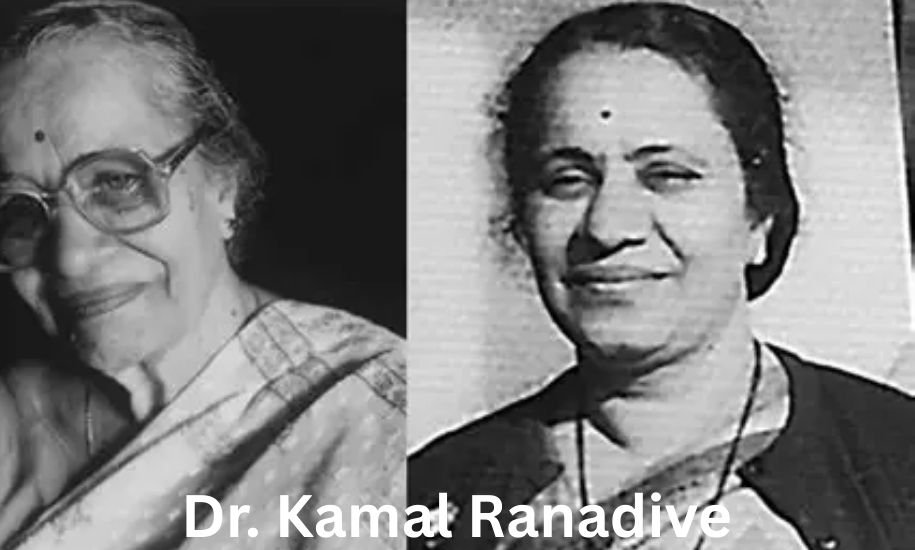
Dr. Kamal Ranadive, a legendary Indian biomedical researcher, remains one of the most inspiring figures in the history of Indian science. Known for her groundbreaking contributions to cancer research and her unwavering support for women in science, she paved the way for a generation of scientists. Her work continues to resonate through laboratories, research institutions, and educational initiatives. This article explores her complete biography, scientific achievements, personal life, and legacy, answering some common questions like “Is Dr. Kamal Ranadive still alive?”.
You May Also Read About: Yaser Jabbar
Early Life and Family Background
Dr. Kamal Jayasing Ranadive was born on November 8, 1917, in Pune, India. She came from an academically inclined family. Her father was a biology teacher, whose dedication to science greatly influenced her own career path. Her mother supported her education, an important factor during a time when Indian girls were rarely encouraged to pursue higher studies, especially in science.
Dr. Ranadive grew up in a nurturing environment that valued knowledge, critical thinking, and curiosity. This early exposure shaped her intellectual development and laid the foundation for her future in biomedical research.
Personal Life: Husband and Family
Dr. Kamal Ranadive was married, but details about her husband are relatively private, reflecting her personal preference to keep her family life out of the public eye. She did not have children, and much of her energy was devoted to science, research, and mentorship.
Education
Dr. Ranadive’s academic journey was remarkable for her era:
- Bachelor of Science (B.Sc.) – Completed with distinction
- Master of Science (M.Sc.) – Demonstrated strong expertise in biology
- Ph.D. in Cytology – University of Bombay, 1949
Her doctoral research focused on the study of cells (cytology), which became the cornerstone of her career in cancer research. She was one of the few women in India at that time to earn a Ph.D. in the biological sciences.
Career and Achievements
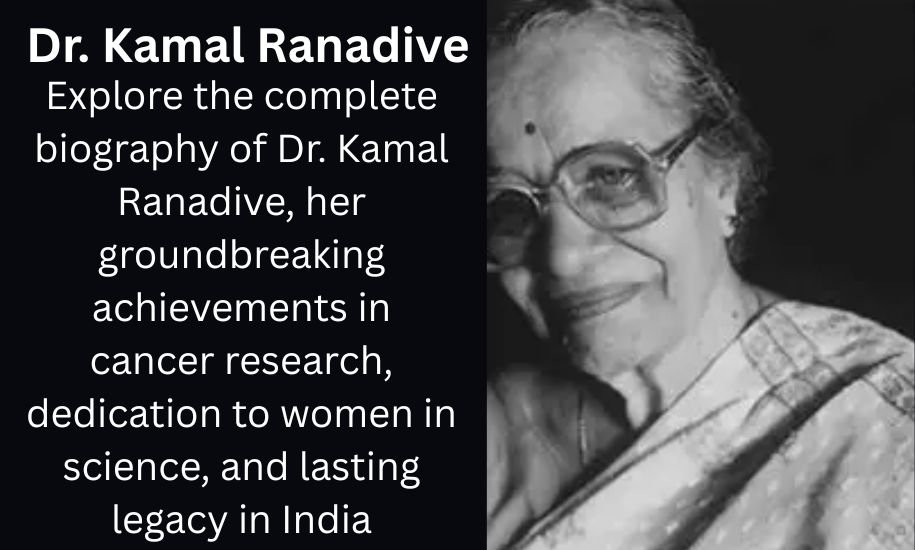
After completing her Ph.D., Dr. Ranadive gained international experience through a postdoctoral fellowship at Johns Hopkins University, USA, where she trained in advanced tissue culture techniques. These skills were pioneering and allowed her to establish state-of-the-art laboratories upon returning to India.
She joined the Indian Cancer Research Centre (ICRC) in Mumbai, now part of the Tata Memorial Centre, where she made some of her most significant contributions:
- Established India’s first tissue culture laboratory, revolutionizing cancer research.
- Served as Acting Director of ICRC (1966–1970).
- Conducted research on breast cancer, leukemia, and esophageal cancer, focusing on genetic factors and viral links.
- Published over 200 research papers, many of which remain highly cited today.
Her work earned her recognition as one of India’s foremost biomedical scientists and positioned her as a global leader in cancer research.
Scientific Contributions
Dr. Ranadive’s scientific contributions are wide-ranging:
- Cancer Research: Pioneered studies on the genetic and cellular mechanisms of cancer.
- Tissue Culture Techniques: Introduced advanced cell culture methods in India for the first time.
- Leprosy Research: Investigated Mycobacterium leprae and contributed to vaccine development.
- Genetics & Viruses in Cancer: One of the earliest researchers to study the link between heredity and breast cancer, as well as possible viral causes of cancer.
Her research not only advanced medical understanding but also inspired new generations of scientists to explore innovative solutions for disease prevention and treatment.
Women in Science
Dr. Kamal Ranadive was a strong advocate for women in scientific fields. In 1973, she co-founded the Indian Women Scientists’ Association (IWSA) with 11 colleagues. The organization aimed to support women in science by:
- Providing mentorship and scholarships
- Offering career counseling
- Supporting women with childcare and work-life balance
- Creating a network of women scientists across India
Through IWSA, Dr. Ranadive empowered countless women to pursue careers in research, breaking barriers in a male-dominated environment.
Interesting Questions About Dr. Kamal Ranadive
1. Is Dr. Kamal Ranadive still alive?
No. Dr. Kamal Ranadive passed away on April 11, 2001, at the age of 83.
2. What was her age?
She was 83 years old at the time of her death.
3. Who were her parents?
Her father was a biology teacher, and her mother supported her education, fostering her early interest in science.
4. Was she married?
Yes, she was married, but she did not have children. Her focus remained on research and mentorship.
5. What was her efficiency or contribution to science?
Dr. Ranadive was known for her dedication, precision, and prolific research output, publishing over 200 papers, establishing laboratories, and mentoring women scientists.
6. What is her net worth?
There is no verified public record of her net worth, as her life was dedicated to public service, research, and education rather than wealth accumulation.
Cause of Death
Dr. Kamal Ranadive died on April 11, 2001, due to age-related health complications. She lived a long life devoted to science, research, and social service, leaving behind a legacy that continues to inspire.
Legacy
Dr. Kamal Ranadive’s legacy is multi-dimensional:
- Scientific: Laid the foundation for modern cancer research in India, pioneered tissue culture techniques, and advanced leprosy research.
- Women Empowerment: Through IWSA, she created opportunities for women in science, shaping future generations of researchers.
- Social Impact: Worked to improve rural healthcare, training women as healthcare workers, and spreading health awareness.
- Inspiration: Her story continues to inspire students, scientists, and educators worldwide.
Blogs like Infoaxis play a vital role in preserving the memory and achievements of pioneers like Dr. Kamal Ranadive, ensuring that her contributions are recognized and celebrated.
Conclusion
Dr. Kamal Ranadive was more than a scientist—she was a visionary, a mentor, and a reformer. From establishing India’s first tissue culture laboratory to empowering women scientists and improving community health, her work transformed Indian science and society.
Her life answers many questions: she may no longer be alive, but her achievements, legacy, and influence remain immortal, serving as a source of inspiration for researchers and students everywhere.
Through platforms like Infoaxis, her story continues to reach audiences worldwide, reminding us that true impact lies not only in discovery but in how that discovery transforms lives.










Leave a Reply