
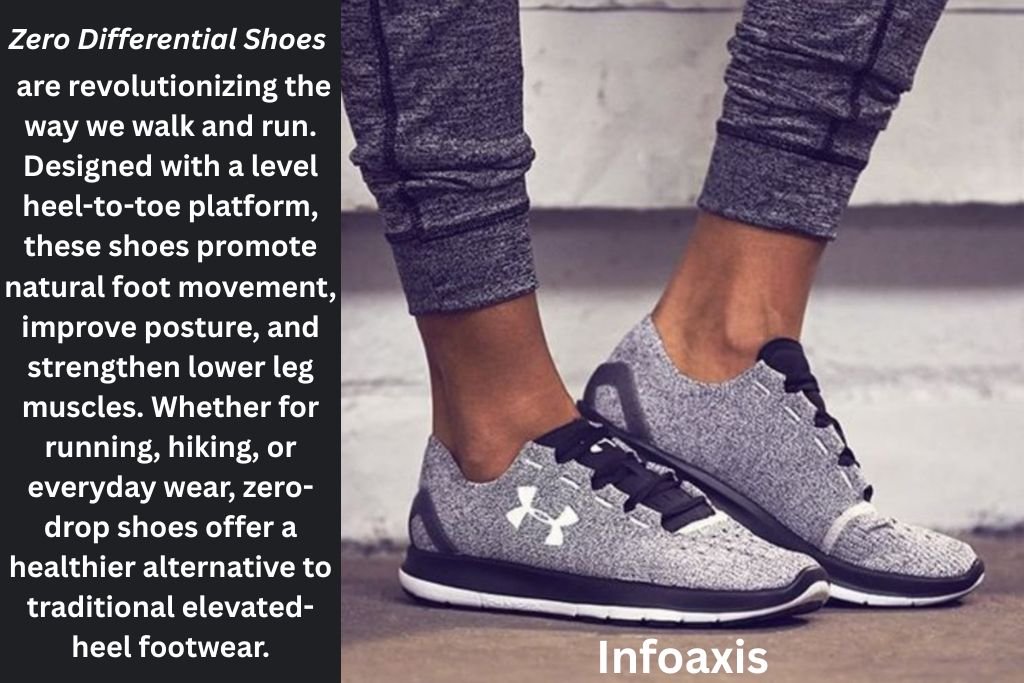
In recent years, the world of footwear has seen a significant shift toward more natural and minimalist designs. Among these innovations, zero differential shoes (also known as zero-drop shoes) have gained immense popularity among runners, hikers, fitness enthusiasts, and even casual walkers. Unlike traditional shoes, which often elevate the heel by several millimeters, zero differential shoes maintain a level heel-to-toe platform, promoting a more natural posture and gait. This article delves deep into everything you need to know about zero differential shoes — from their biomechanics and benefits to potential drawbacks, transition tips, and the best ways to incorporate them into your lifestyle.
What Are Zero Differential Shoes?
Zero differential shoes are designed with no height difference between the heel and the forefoot. In traditional running or casual shoes, the heel is typically raised by 6–12 millimeters (or more), creating a slope that affects the way your foot strikes the ground. In zero-drop footwear, both heel and forefoot sit at the same level, mimicking the natural position of your foot when standing barefoot on flat ground.
The concept was popularized by brands like Vibram, Lems, and Altra, but today there are numerous manufacturers offering a variety of designs, from casual sneakers to trail running shoes. The core principle is simple: allow the foot to move and function naturally without artificial elevation.
Biomechanics and Foot Health
Natural Foot Position
One of the primary goals of zero differential shoes is to restore the natural biomechanics of the foot. With no heel elevation, your feet can maintain a neutral alignment, which can positively influence the posture of your knees, hips, and lower back. This can be especially beneficial for individuals who spend long hours standing or walking.
Gait and Foot Strike
Zero-drop shoes encourage a midfoot or forefoot strike during walking or running. Traditional shoes with elevated heels often promote heel striking, which can increase impact forces transmitted up the leg. By promoting a natural strike, zero-drop shoes may reduce the risk of certain repetitive stress injuries and improve overall gait efficiency.
Muscle Activation
Because zero-drop shoes are generally less cushioned and more minimalist, the foot muscles, calves, and Achilles tendons are more actively engaged. This engagement can strengthen the intrinsic muscles of the foot over time, improving balance, stability, and agility.
Key Benefits of Zero Differential Shoes
1. Improved Foot and Lower Leg Strength
Zero differential shoes encourage your feet to work harder, which can enhance muscle strength and flexibility. Over time, this may reduce the risk of foot and ankle injuries. Runners often report stronger calves and arches after transitioning to zero-drop footwear.
2. Better Posture and Alignment
A flat platform encourages a neutral standing posture, which can reduce strain on the lower back, knees, and hips. By allowing your body to distribute weight evenly, zero-drop shoes can help correct posture problems that arise from prolonged use of high-heel shoes or heavily cushioned sneakers.
3. Enhanced Balance and Proprioception
Zero-drop shoes bring the foot closer to the ground, improving proprioception — the body’s awareness of its position in space. This can enhance balance and stability, which is valuable in activities like hiking, trail running, and functional fitness exercises.
4. Reduced Heel Impact
By encouraging a midfoot strike rather than a heel strike, zero-drop shoes can reduce the impact forces on the heels and knees, which are common contributors to injuries like plantar fasciitis and knee pain.
5. Wide Toe Box and Natural Toe Alignment
Many zero differential shoes come with a wider toe box, allowing toes to spread naturally. This can alleviate pressure on the toes, reduce the risk of bunions, and improve overall foot comfort.
6. Potential Injury Prevention
While not a universal solution, some runners and athletes have found that zero-drop shoes help prevent shin splints, Achilles tendonitis, and knee pain, especially when transitioning gradually from traditional footwear.
Potential Drawbacks of Zero Differential Shoes
While zero differential shoes offer numerous benefits, they are not without potential challenges. Understanding these drawbacks can help you make an informed choice.
Weak Support for Certain Foot Types
People with flat feet or high arches may find that zero-drop shoes provide inadequate arch support. This can lead to discomfort or exacerbate pre-existing foot conditions.
Transition Shock
Switching suddenly from heavily cushioned, elevated shoes to zero-drop shoes can strain the calves and Achilles tendons. A gradual transition is strongly recommended to allow muscles and tendons to adapt.
Minimal Cushioning
Many zero differential shoes have less cushioning than traditional running shoes. While this promotes natural foot function, it may feel uncomfortable on hard surfaces, particularly for heel-dominant runners.
Transitioning to Zero Differential Shoes
Making the shift to zero-drop footwear should be gradual and deliberate to prevent injury. Here are some practical tips:
- Start Slowly: Wear zero-drop shoes for short periods each day, gradually increasing duration over weeks.
- Alternate Footwear: Mix traditional shoes with zero-drop shoes during the adaptation phase.
- Listen to Your Body: Pay attention to soreness in calves, Achilles tendons, or arches. Reduce intensity if needed.
- Strength Training: Exercises like calf raises, foot stretches, and balance drills can prepare your muscles for zero-drop footwear.
Choosing the Right Zero Differential Shoes
When selecting zero differential shoes, consider the following factors:
- Activity Type: Running, walking, casual wear, or hiking.
- Toe Box Width: Look for shoes that allow natural toe splay.
- Cushioning Level: Choose moderate cushioning if you spend time on hard surfaces.
- Flexibility: Flexible soles encourage natural foot movement.
- Durability: Materials should match your activity level and terrain.
Popular brands offering zero-drop shoes include Altra, Lems, Vibram, Xero Shoes, and Splay Shoes, each with models tailored for different activities.
Scientific Insights and Athletic Perspectives
Studies on zero differential shoes suggest that they can positively affect running mechanics and muscle activation. While results vary by individual, research indicates:
- Zero-drop shoes promote midfoot strikes over heel strikes.
- Transitioning gradually can strengthen intrinsic foot muscles.
- Athletes may experience improved stability and balance, potentially enhancing performance in activities like trail running and strength training.
However, it’s important to note that zero-drop shoes are not a cure-all. Individuals with pre-existing foot issues should consult a podiatrist or sports medicine specialist before transitioning.
Lifestyle Benefits Beyond Athletics

Zero differential shoes are not just for athletes. Everyday walkers, office workers, and casual shoe wearers can also benefit:
- Posture Improvement: Standing or walking in zero-drop shoes promotes a neutral spine.
- Reduced Fatigue: Balanced weight distribution may reduce strain during prolonged standing.
- Enhanced Comfort: Wide toe boxes and natural alignment can make daily activities more comfortable.
By integrating zero-drop shoes into your daily routine, you allow your feet to function naturally, potentially preventing chronic foot issues over time.
Conclusion
Zero differential shoes represent a shift toward more natural, minimalist footwear that prioritizes foot health, posture, and balance. While they may not be suitable for everyone, their benefits for strengthening foot muscles, improving alignment, and reducing heel impact make them a compelling choice for many people. Transitioning gradually and paying attention to your body’s response is key to maximizing their advantages. Whether you are a runner, hiker, or someone looking to improve everyday comfort, zero-drop shoes are a versatile and health-conscious option.
For more insights and guides on natural footwear and healthy lifestyle choices, visit my blog site, Infoaxis.
Read More : Hugh Hefner Robe
Read More :Tsunaihaiya










Leave a Reply