
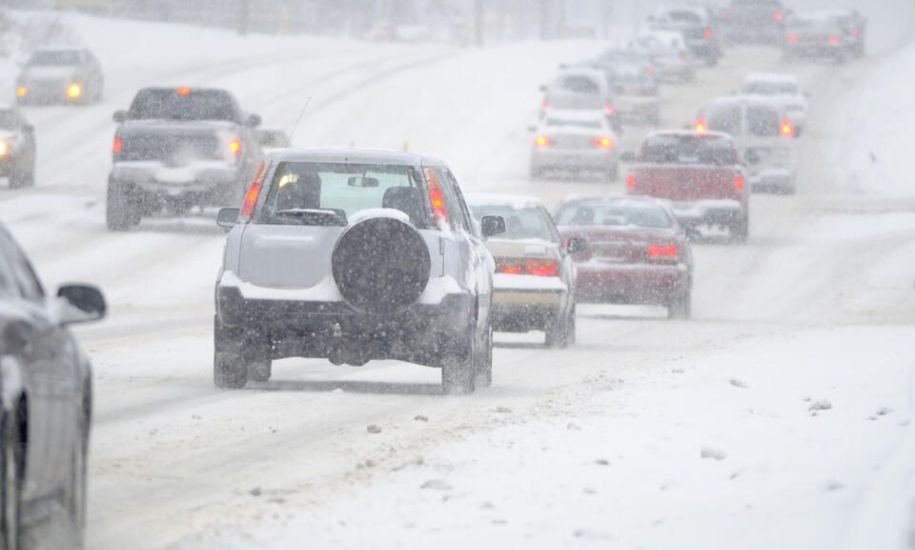
Extreme cold weather can pose serious threats to human health, infrastructure, and daily life. When temperatures plummet far below normal, communities face significant dangers that can turn life-threatening in minutes. To safeguard the public, meteorological agencies worldwide issue Extreme Cold Warnings, a vital alert to ensure preparedness and caution during severe winter conditions. This article provides a comprehensive understanding of extreme cold warnings, their implications, safety measures, and practical advice to navigate harsh winter conditions.
What is an Extreme Cold Warning?
An Extreme Cold Warning is an official weather alert issued by national weather services, such as the National Weather Service (NWS) in the United States and Environment and Climate Change Canada (ECCC). This warning is triggered when temperatures or wind chills reach dangerously low levels that can lead to severe health consequences, including hypothermia and frostbite, in a short period.
The warning serves as a public notification to take immediate protective measures. Extreme cold warnings are not issued for mild cold but specifically for conditions that present a serious risk to life and property. They replaced older terminology, such as Wind Chill Warnings, to provide clearer guidance to the public.
Difference Between Alerts: Warning, Watch, and Advisory
Understanding the terminology is crucial for responding appropriately to cold weather conditions. Meteorological agencies typically use a three-tier system:
- Extreme Cold Watch
- Indicates that extreme cold conditions are possible, but there is uncertainty in timing or severity.
- Encourages the public to prepare and stay updated on forecasts.
- Extreme Cold Warning
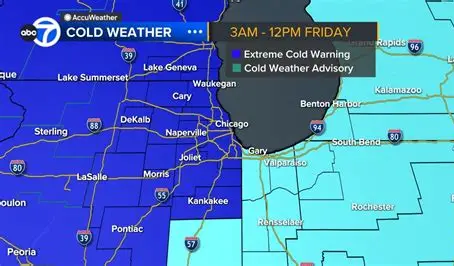
- Issued when extreme cold is expected or ongoing.
- Urges immediate action to prevent health hazards.
- Cold Weather Advisory
- Less severe than a warning.
- Alerts the public to dress appropriately and take basic precautions.
This classification ensures that people can differentiate between potential, expected, and mildly hazardous cold conditions.
Criteria for Issuing an Extreme Cold Warning
The criteria for issuing an extreme cold warning may vary slightly depending on the country or region. Typically, factors include:
- Air Temperature: Extremely low temperatures that are far below seasonal norms.
- Wind Chill Factor: The combined effect of wind and temperature on human skin, which can accelerate frostbite and hypothermia.
- Duration: The warning usually covers periods where cold temperatures persist long enough to be life-threatening.
For example, in Canada, warnings are often issued when temperatures are expected to reach –30°C or lower, depending on the region, with wind chills bringing the “feels-like” temperature down further. In the U.S., meteorologists may consider temperatures of –35°F or lower with accompanying winds to trigger a warning.
The Dangers of Extreme Cold
Extreme cold is not just uncomfortable—it can be deadly. It affects the human body, animals, infrastructure, and even the environment. Understanding these dangers helps communities respond effectively.
1. Human Health Risks
Hypothermia:
- Occurs when body temperature drops below 35°C (95°F).
- Symptoms include shivering, confusion, fatigue, and in severe cases, unconsciousness.
- Rapid medical intervention is crucial to prevent permanent damage or death.
Frostbite:
- Freezing of skin and underlying tissues, commonly affecting fingers, toes, ears, and nose.
- Symptoms include numbness, pale or blue skin, and hard or waxy skin texture.
- Severe frostbite can result in permanent tissue damage or amputation if untreated.
Exacerbation of Chronic Conditions:
- People with heart, respiratory, or circulatory disorders may experience worsened symptoms during extreme cold.
2. Risks to Property and Infrastructure
Frozen or Burst Pipes:
- Water expands when it freezes, causing pipes to crack and leading to costly damage.
Power Outages:
- Extreme cold can increase electricity and heating demand, sometimes causing grid failures.
Transportation Hazards:
- Ice-covered roads, reduced visibility, and frost on vehicles increase the risk of accidents.
Damage to Buildings and Roofs:
- Heavy snow and ice accumulation can damage structures and cause collapse in extreme cases.
3. Environmental Impact
- Crops and vegetation can be severely affected, especially if sudden frost occurs outside normal seasonal patterns.
- Wildlife may face food shortages and hypothermia risk, particularly for birds and small mammals.
- Livestock requires additional shelter and feed to survive extreme cold conditions.
Understanding Wind Chill
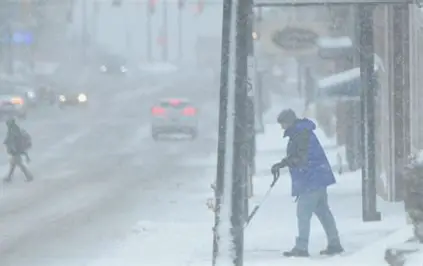
Wind chill is a critical concept related to extreme cold warnings. It measures how cold the air feels on exposed skin due to wind. Even if the thermometer reads –10°C, a strong wind can make it feel like –25°C, accelerating the risk of frostbite and hypothermia.
Meteorologists calculate wind chill using temperature, wind speed, and exposure to determine danger levels. Extreme Cold Warnings often consider wind chill thresholds as a key factor for issuing alerts.
How Extreme Cold Warnings Are Communicated
Authorities use multiple channels to ensure the public receives timely alerts:
- Television and Radio: Weather reports broadcast warnings multiple times daily.
- Weather Apps and Notifications: Smartphones alert users based on location.
- Emergency Alert Systems: SMS messages and sirens may be used for immediate danger.
- Social Media: Agencies post updates on platforms like Twitter and Facebook.
Clear communication is essential because even short exposure during extreme cold can be life-threatening.
Preparing for Extreme Cold
Preparation is key to reducing risks during extreme cold events. Here are practical steps:
1. Personal Precautions
- Dress in Layers: Wear thermal undergarments, sweaters, coats, scarves, gloves, hats, and insulated footwear.
- Protect Exposed Skin: Cover all areas, especially ears, fingers, and toes.
- Stay Indoors: Limit outdoor activities whenever possible.
- Emergency Kit: Keep blankets, warm drinks, and medical supplies readily available.
2. Home Precautions
- Insulate Pipes: Prevent freezing by keeping them warm or letting water trickle.
- Check Heating Systems: Ensure safe operation of furnaces and alternative heating sources.
- Stock Essentials: Have food, water, batteries, and other necessities.
3. Travel Precautions
- Emergency Car Kit: Include blankets, warm clothing, food, water, and a flashlight.
- Avoid Unnecessary Travel: Delay journeys during warnings.
- Vehicle Maintenance: Keep fuel tanks full and ensure tires and antifreeze are suitable for winter conditions.
Communities and Extreme Cold
Communities play a crucial role in reducing the impact of extreme cold:
- Shelters: Temporary shelters provide warmth for the homeless or those without adequate heating.
- Schools and Workplaces: Implement closures or delayed openings during extreme cold periods.
- Public Awareness Campaigns: Educate residents on warning signals and safety protocols.
Case Studies: Extreme Cold Events
- North America – January 2021:
- Wind chills dropped below –50°F in parts of the Midwest.
- Authorities issued Extreme Cold Warnings; shelters opened, and schools were closed.
- Frostbite occurred in less than 10 minutes of exposed skin.
- Canada – February 2022:
- Temperatures fell to –40°C in northern provinces.
- Emergency services emphasized indoor safety, layered clothing, and vehicle precautions.
These events highlight the real dangers of ignoring extreme cold warnings.
Myths About Extreme Cold
- “You can’t get frostbite if you feel warm indoors.”
- False. Wind chill and outdoor exposure determine frostbite risk.
- “Alcohol keeps you warm.”
- False. Alcohol dilates blood vessels, increasing heat loss.
- “Young, healthy people aren’t affected.”
- False. Hypothermia and frostbite can affect anyone under extreme conditions.
Extreme Cold Warning vs. Other Natural Disasters
Unlike floods or hurricanes, extreme cold is silent but deadly. While damage may not be immediately visible, health risks are severe. Rapid onset hypothermia and frostbite make timely warnings crucial. Preparedness can save lives, making awareness of warnings essential for everyone.
Safety Tips for Vulnerable Populations
Children, elderly, and the homeless are particularly vulnerable:
- Ensure proper clothing and shelter.
- Monitor signs of hypothermia or frostbite.
- Community services should provide resources like warm clothing, blankets, and hot meals.
Technological Tools for Extreme Cold Awareness
- Weather Apps: Real-time updates and alerts.
- Smart Thermostats: Maintain safe indoor temperatures automatically.
- Online Resources: Blogs, government sites, and social media provide guidance.
Conclusion
Extreme Cold Warnings are more than just alerts—they are lifesaving tools. Understanding these warnings, taking necessary precautions, and preparing homes and communities can prevent injuries, property damage, and fatalities. As climate patterns shift, awareness and adaptation are more important than ever. Remember to monitor official forecasts, stay indoors during alerts, and dress appropriately to ensure safety.
For detailed tips, local weather updates, and winter preparedness guides, visit our blog Infoaxis. Staying informed can be the difference between safety and risk during extreme cold events.












Leave a Reply