
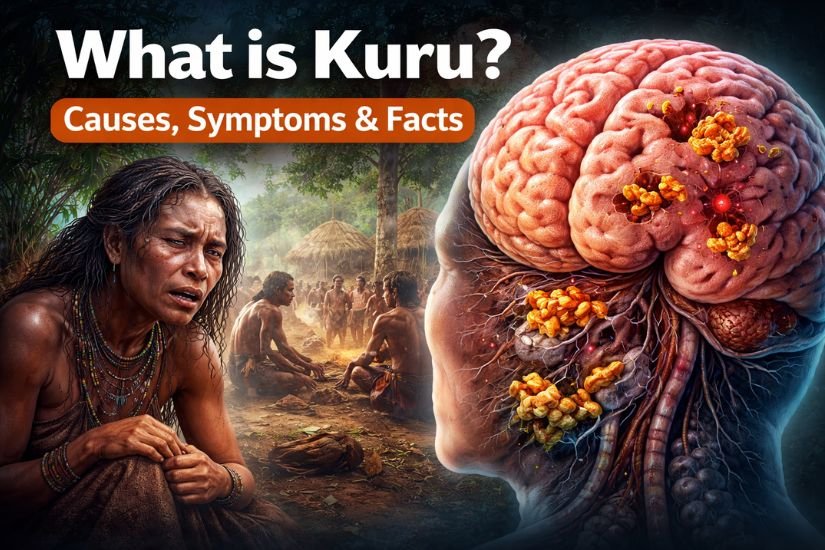
Kuru is one of the most fascinating yet tragic diseases ever studied in medical science. It is a rare, fatal neurodegenerative disorder that primarily affects the brain and nervous system. Although it is no longer considered an active public health threat, kuru remains highly significant due to its role in advancing scientific understanding of prion diseases. At Infoaxis, we aim to present well-researched and educational content, and kuru is an important topic that highlights the intersection of medicine, culture, and science.
What Is Kuru?
Kuru is a fatal brain disorder that belongs to a group of illnesses known as transmissible spongiform encephalopathies (TSEs). These diseases are characterized by progressive degeneration of the brain, leading to severe neurological symptoms and eventually death. The word kuru comes from a local language of Papua New Guinea and translates to “trembling” or “shivering,” which accurately describes one of the disease’s most visible symptoms.
Unlike common infectious diseases caused by bacteria or viruses, kuru is caused by prions, which are abnormal, misfolded proteins. These prions damage brain tissue by inducing normal proteins to fold incorrectly, resulting in irreversible brain damage.
Historical Background of Kuru
Kuru was first documented in the early 1950s among the Fore people of the Eastern Highlands of Papua New Guinea. During this period, the disease reached epidemic levels in certain villages. Entire communities were affected, with women and children being the most vulnerable.
Medical researchers were initially puzzled by the disease because it did not follow typical patterns of infection. Over time, extensive studies revealed that kuru was closely linked to traditional funeral practices involving ritualistic consumption of the deceased, a practice rooted in respect and mourning rather than violence.
You May Also Read About: Cancer Screening
Cause of Kuru
The primary cause of kuru is infection by prion proteins. Prions are unique because they contain no genetic material like DNA or RNA. Instead, they are infectious proteins that disrupt normal brain function.
When prions enter the human body, they accumulate in the brain over many years. This slow accumulation explains the extremely long incubation period of kuru, which can range from 10 years to more than 40 or even 50 years. Once symptoms appear, the disease progresses rapidly and is always fatal.
How Kuru Was Transmitted
Kuru was transmitted through endocannibalism, a cultural practice where deceased relatives were consumed as part of funeral rituals. The brain tissue of infected individuals contained high concentrations of prions, making it the most dangerous part to consume.
Women and children were more frequently affected because they traditionally participated more in these rituals. Men, who consumed less brain tissue, were less likely to contract the disease. When these practices were eventually stopped, the number of new kuru cases declined dramatically.
Symptoms of Kuru
Kuru progresses in stages, and symptoms worsen over time. Once symptoms appear, the disease usually leads to death within one to two years.
Early Symptoms
- Loss of balance and coordination
- Mild tremors
- Difficulty walking
- Headaches and joint pain
Intermediate Symptoms
- Severe shaking and muscle jerks
- Slurred or unclear speech
- Emotional instability, including inappropriate laughter or crying
- Difficulty standing or sitting without support
Late-Stage Symptoms
- Complete loss of motor control
- Difficulty swallowing food and liquids
- Severe dementia
- Inability to speak or move
- Coma, followed by death
These symptoms reflect extensive brain damage, particularly in areas responsible for movement, coordination, and emotional regulation.
Diagnosis of Kuru
Diagnosing kuru is extremely challenging. There is no single test that can confirm the disease in a living patient with certainty. Diagnosis is usually based on:
- Clinical symptoms
- Patient history
- Neurological examination
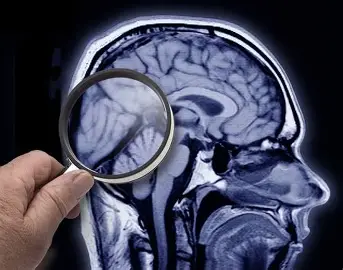
Definitive confirmation often occurs after death through examination of brain tissue, where the characteristic spongy appearance of the brain can be observed.
Treatment and Management
There is no cure for kuru. Since prion-related damage cannot be reversed, treatment focuses entirely on supportive care. This includes:
- Managing pain and discomfort
- Providing nutritional support
- Assisting with mobility
- Ensuring patient comfort in advanced stages
Despite medical advances, no treatment has been found to stop or slow the progression of the disease.
Decline and Near Eradication
In the late 1950s and 1960s, public health interventions and education led to the abandonment of ritual cannibalism. As a result, new cases of kuru declined sharply. However, due to the long incubation period, isolated cases continued to appear decades later.
Today, kuru is considered nearly extinct, with no new cases reported in recent years. This decline stands as a powerful example of how cultural understanding and public health education can eliminate deadly diseases.
Scientific Importance of Kuru
Kuru holds a special place in medical history. It was the first human disease proven to be caused by prions, fundamentally changing how scientists understand infectious diseases. Research on kuru paved the way for further studies into other prion diseases such as:
- Creutzfeldt–Jakob disease
- Variant prion disorders
- Certain animal neurological diseases
The lessons learned from kuru continue to influence research into neurodegenerative conditions worldwide.
Why Kuru Still Matters Today
Although kuru is no longer a global threat, it remains an important subject of study. It demonstrates how cultural practices, biology, and public health intersect. For readers of Infoaxis, understanding kuru offers insight into rare diseases and highlights the importance of ethical, cultural, and scientific collaboration in medicine.
Conclusion
Kuru is a rare but historically significant disease that reshaped scientific understanding of neurological disorders. Caused by infectious prion proteins and spread through cultural practices, it resulted in devastating consequences for affected communities. While there is no cure, the successful elimination of kuru through education and cultural change stands as a powerful achievement in public health. By exploring diseases like kuru, Infoaxis aims to provide meaningful, educational content that deepens awareness of both science and humanity.












Leave a Reply