
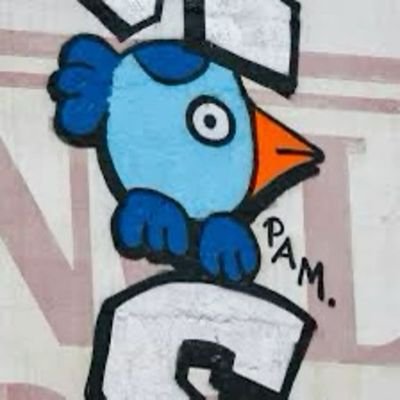
Since the early 2020s, a cartoon‑like graffiti bird known as Pam the Bird has intrigued, frustrated, delighted, and enraged residents of Melbourne, Australia and beyond. What started as a simple set of spray‑painted lines on neglected urban surfaces quickly morphed into one of the most ubiquitous — and controversial — graffiti tags in recent Australian history. Whether viewed as an expression of street art culture or as reckless vandalism, Pam the Bird’s story reflects broader themes about public space, creativity, legality, and community identity in the urban era.
Origins: A Simple Bird Takes Flight
Like many graffiti icons, the true beginnings of Pam the Bird are shrouded in a mix of myth, speculation, and incomplete records. The first widespread appearances of the stylized cartoon bird date back to 2023 across Melbourne’s urban landscape. The image — essentially a simple side‑profile of a bird with a pronounced triangular beak and circular eye — began appearing on train carriages, walls, freeway signs, and public structures.
Despite early confusion about who was responsible, by late 2024 authorities were convinced that a single individual was behind most of the iconic tags. Victoria Police investigations eventually focused on Jack Gibson‑Burrell, a young man from Yarraville, whom they allege to be the bird’s primary creator and placer. Gibson‑Burrell’s connection to the tag was strengthened by CCTV footage, handwriting analyses, and links to a highly popular Instagram page (@goodbirdart) believed to be associated with Pam’s work.
The Explosion of Pam
What truly made Pam the Bird a phenomenon was not merely its ubiquity but the daring locations where it was found. From humble beginnings, the tag spread to high‑profile and even heritage‑listed sites across Melbourne. Witnesses and police reports documented sightings on:
- Multiple Metro train carriages and railway infrastructure, often on roof surfaces or along train lines.
- The Flinders Street Station clock tower, one of Melbourne’s most iconic landmarks.
- Road signage over the CityLink freeway’s “Cheese Stick” sculpture.
- The exterior of the Novotel South Wharf hotel, towering over its surroundings with the black‑white bird image.
- Silo walls and industrial sites in West Footscray and Geelong.
Such placements were not merely graffiti on empty walls; they often required climbing, abseiling, or trespassing on restricted sites — acts that authorities later cited as making the tagging not just unlawful, but dangerous and potentially life‑endangering.
How Pam Spread: Technique and Style
The Pam tag’s style seems deceptively simple, but its execution often involved technical challenges. Police and court testimony described many of the tagged locations as requiring special skills and equipment, including climbing gear to scale tall buildings or reach precarious bridge beams. This complexity made police argue that copycats or casual taggers could not easily mimic the work, highlighting the distinctiveness of the images.
The bird motif itself varied in execution — from basic monochrome outlines to more elaborate painted versions with shading and accents. Many iterations included additional text (such as “MP.” or “Srock”), artistic flourishes, or modifications that made each sighting slightly different.
Public Reception: Art or Crime?
Pam the Bird’s rise sparked fierce debate among Melburnians, local cultural figures, authorities, and everyday commuters.
For Some, A Symbol of Urban Culture
A portion of the public — especially members of street art circles — saw Pam the Bird as part of a vibrant tradition of unsanctioned creative expression. Melbourne already had a well‑established reputation for street art, with laneways like Hosier Lane celebrated for their ever‑evolving murals and graffiti. Within this context, Pam was sometimes described as:
- A wild, rogue kind of urban icon.
- A symbol of youthful rebellion and creative freedom.
- A playful + recognizable motif that added color and personality to otherwise drab walls.
The bird image’s massive following on @goodbirdart’s Instagram account — which boasted tens of thousands of followers — suggested that many people were fascinated and even amused by Pam’s omnipresence. Some admirers even collaborated with clothing brands to sell T‑shirts featuring the iconic bird to help cover related legal fees.
For Others, Vandalism and Costly Destruction
Not everyone saw Pam through a romanticized lens. Many residents, city officials, and local heritage advocates viewed the graffiti as plain vandalism — unlawful, disrespectful, and damaging. Key criticisms included:
- High cleanup and restoration costs for properties and heritage sites.
- Defacing historically important structures such as Flinders Street Station and the Clifton Hill Shot Tower.
- Public safety concerns, given the dangerous methods allegedly used to place the tags.
- Some community groups organized fundraisers to remove Pam from heritage sites entirely, emphasizing a desire to preserve architectural beauty free of unsolicited graffiti.
City officials, including Melbourne’s Lord Mayor, publicly condemned the acts and warned potential graffiti offenders that they would be held accountable under the law.
The Legal Backlash: Arrests and Charges
In January 2025, the so‑called mystery behind Pam the Bird took a dramatic legal turn: police arrested 21‑year‑old Jack Gibson‑Burrell and accused him of creating and placing many of the graffiti tags across Melbourne.
Police allege that Gibson‑Burrell committed more than 200 offences, including:
- Property damage and criminal trespass.
- Reckless conduct endangering life.
- Violations of heritage protection laws for defacing protected structures.
- Assault, burglary, theft, and other serious offences unrelated to just graffiti.
During one court appearance, Gibson‑Burrell drew media attention not just for the charges but also for his eccentric behavior, including exiting the courtroom in costume and engaging in theatrical gestures with reporters present.
He has pleaded not guilty to the indictable charges, and his legal battles have extended over many months. A major trial is scheduled to test the evidence and determine his culpability in what authorities describe as an extensive criminal spree.
Why the Case Matters
Beyond Melbourne’s graffiti dispute, the Pam the Bird saga touches on broader questions about how cities manage and interpret street art:
- What separates art from vandalism? Graffiti has always occupied a gray area between creative expression and unlawful property defacement. Pam’s case highlights how context, location, and legality shape perceptions.
- Who gets to define public space? When art appears without permission, it forces a society to confront ideas about ownership of communal visual environments.
- How do authorities respond to unsanctioned creativity in the digital age? The role of social media — particularly accounts that amplify and celebrate the imagery — complicates enforcement and public opinion.
Pam’s Legacy: What’s Next?
Even as Gibson‑Burrell’s legal fate unfolds, Pam the Bird continues to echo through Melbourne’s streets and online spaces. Some questions remain open:
- Will the trials curb the spread of similar graffiti?
- Will aspiring street artists continue using Pam imagery as a template or inspiration?
- Can cities find ways to embrace unsanctioned art while protecting heritage and safety?
One thing is clear: whether seen as a cultural oddity, a criminal nuisance, or a curious chapter in Melbourne’s artistic tapestry, Pam the Bird has left an imprint on the city’s conscience and skyline that won’t be forgotten soon.




Leave a Reply