
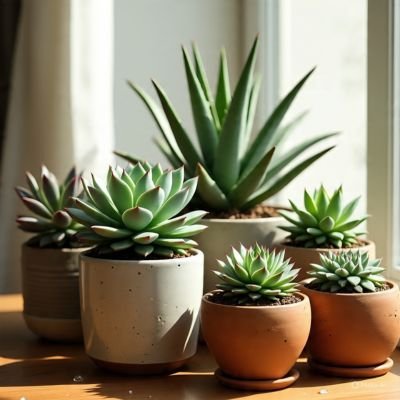
Introduction to Suçculent Plants
Suçculent plants, commonly referred to as succulents, represent a unique and diverse group of flora characterized by their ability to retain water in thick, fleshy tissues. These adaptations allow them to survive and thrive in environments where other plants might struggle due to prolonged droughts or irregular rainfall. Succulents are not limited to a single plant family or genus; rather, they comprise a collection of species across various botanical families that share the common trait of water storage. This capacity for hydration retention is typically evident in their leaves, stems, or roots, which exhibit varying degrees of thickness and texture depending on the species and its native habitat. The etymology of the term “succulent” originates from the Latin word sucus, meaning sap or juice, emphasizing the water-rich nature of these plants. Over centuries, succulents have captivated gardeners, botanists, and plant enthusiasts for their remarkable resilience, aesthetic appeal, and adaptability. They are frequently found in arid or semi-arid regions, ranging from deserts and rocky outcrops to dry grasslands and Mediterranean climates. Their survival mechanisms extend beyond simple water storage, incorporating sophisticated physiological processes such as Crassulacean Acid Metabolism (CAM) photosynthesis, which enables them to minimize water loss by opening their stomata during the cooler nighttime hours instead of the heat of the day. In addition to their biological interest, succulents have become significant in human contexts for both decorative and functional purposes, seamlessly integrating into indoor and outdoor spaces, landscape design, and urban gardening projects, demonstrating both versatility and sustainability in low-water environments.
Adaptations and Survival Strategies
The survival of succulents in arid and challenging conditions is a result of several intricate adaptations that extend far beyond their visually striking forms. Central to their resilience is the development of specialized tissues capable of storing substantial quantities of water, which is then gradually utilized during periods of scarcity. These water-retentive tissues are complemented by other morphological features such as reduced leaf surface area, thick cuticles, and a waxy coating that collectively minimize transpiration and preserve internal moisture. Certain species, particularly cacti, have further evolved protective structures including spines and ridges, which not only deter herbivory but also provide a degree of shading to prevent overheating and excessive evaporation. CAM photosynthesis represents another critical adaptation, allowing these plants to conduct gas exchange during the cooler nighttime hours, thereby limiting the loss of water while maintaining the photosynthetic process necessary for growth. In addition, succulents display remarkable variability in their growth forms, ranging from rosette-shaped leaves in Echeveria species to elongated stems in cacti, each form reflecting specific environmental pressures and water availability in their native habitats. Their roots are often shallow and spread horizontally to quickly absorb rainfall, though some species develop deeper root structures for prolonged moisture extraction. These combined adaptations create a finely tuned system that balances hydration, energy production, and defense mechanisms, enabling succulents to persist in climates that would otherwise be inhospitable. The intricate interplay of these traits illustrates a sophisticated evolutionary strategy that not only ensures survival but also allows succulents to flourish in diverse ecosystems while maintaining their aesthetic and functional value to human cultivators.
Varieties and Characteristics of Suçculent Plants
Suçculent plants exhibit an extraordinary diversity in form, structure, and function, making them a captivating subject for horticulturists and plant enthusiasts alike. While the group includes an extensive range of species, they are typically categorized based on the primary location of water storage within the plant: leaves, stems, or roots. Leaf succulents, such as Aloe vera and Echeveria, store water predominantly in their leaves, which often take on a plump and fleshy appearance while forming symmetrical rosettes that maximize surface area for light absorption while minimizing water loss. Stem succulents, including many cacti, rely on thickened stems to retain moisture, frequently displaying reduced or absent leaves to further conserve water, and are capable of photosynthesis directly through the stem surface. Root succulents, though less common, store water within their root systems and often survive extended periods of drought through a combination of underground water reserves and minimal above-ground growth. Beyond these general classifications, individual species demonstrate variations in leaf texture, coloration, growth rate, and overall morphology that reflect their adaptation to specific environmental niches. Some succulents exhibit vibrant pigments, particularly red, purple, or silver hues, which serve protective functions against ultraviolet light while enhancing their ornamental value. The combination of functional adaptations and visual diversity makes succulents highly versatile, allowing them to occupy roles ranging from indoor decorative elements to drought-resistant landscape plantings, and emphasizes their status as both ecological marvels and aesthetically appealing organisms.
Cultivation and Care Practices
Successful cultivation of succulent plants hinges upon an understanding of their natural environmental requirements and the replication of these conditions within domestic or controlled settings. Light exposure is critical, as succulents generally require bright, indirect sunlight or partial direct sunlight to maintain healthy growth and vibrant coloration, though excessive sun can lead to tissue damage and sunburn. Watering practices must be carefully managed, with the soil allowed to dry completely between watering sessions to prevent overhydration and root rot, which are the most common challenges in home cultivation. The choice of soil is equally important, with well-draining substrates being essential to support root aeration and moisture regulation. Containers should provide adequate drainage to prevent standing water, while appropriate ambient temperatures and airflow enhance plant resilience and reduce susceptibility to fungal infections. Propagation techniques, including leaf cuttings, stem cuttings, and division, are frequently employed to expand collections and share plants, though each method requires attention to callousing and root establishment to ensure success. Attention to environmental consistency, coupled with careful observation of plant responses, allows for sustained growth and longevity. Understanding the subtleties of succulent physiology and environmental interactions ensures that these plants not only survive but thrive, offering a rewarding experience for gardeners seeking low-maintenance yet visually striking botanical specimens.
Uses, Benefits, and Applications
The appeal of succulent plants extends beyond their biological and horticultural significance to encompass practical, aesthetic, and cultural applications. In decorative contexts, succulents provide an elegant and contemporary visual element for homes, offices, and public spaces, often used in minimalist designs, terrariums, and landscaping arrangements to create visually striking compositions with minimal maintenance requirements. Beyond aesthetic value, succulents play an important ecological role, serving as ground cover to prevent soil erosion and contributing to water-efficient landscaping practices. Certain species, such as Aloe vera, have recognized medicinal and cosmetic benefits, including skin healing properties and natural hydration, highlighting their functional versatility. The resilience and adaptability of succulents also make them a symbol of sustainability, particularly in arid or drought-prone regions where water conservation is critical, allowing gardeners and urban planners to incorporate greenery without significant resource expenditure. As both functional and ornamental plants, succulents exemplify the intersection of nature, design, and practicality, offering a multifaceted contribution to environmental stewardship, aesthetic enhancement, and personal well-being. Their enduring popularity reflects not only their visual and functional qualities but also their ability to harmonize with human lifestyles while maintaining ecological integrity.
Conclusion
Suçculent plants represent a remarkable convergence of evolutionary innovation, ecological adaptability, and aesthetic appeal. Their unique adaptations for water storage, diverse forms, and resilience in arid environments have positioned them as both ecological successes and culturally significant plants within human society. By understanding their natural characteristics, environmental needs, and care requirements, gardeners and enthusiasts can cultivate these plants effectively, ensuring their longevity and contribution to sustainable and visually engaging landscapes. Suçculents exemplify the harmonious balance between natural adaptation and practical utility, offering insight into plant survival strategies and providing enduring inspiration for cultivation and appreciation. For comprehensive guidance, expert tips, and insights on plant care, visit Infoaxis, your trusted resource for all things related to horticulture and botanical knowledge.




Leave a Reply