
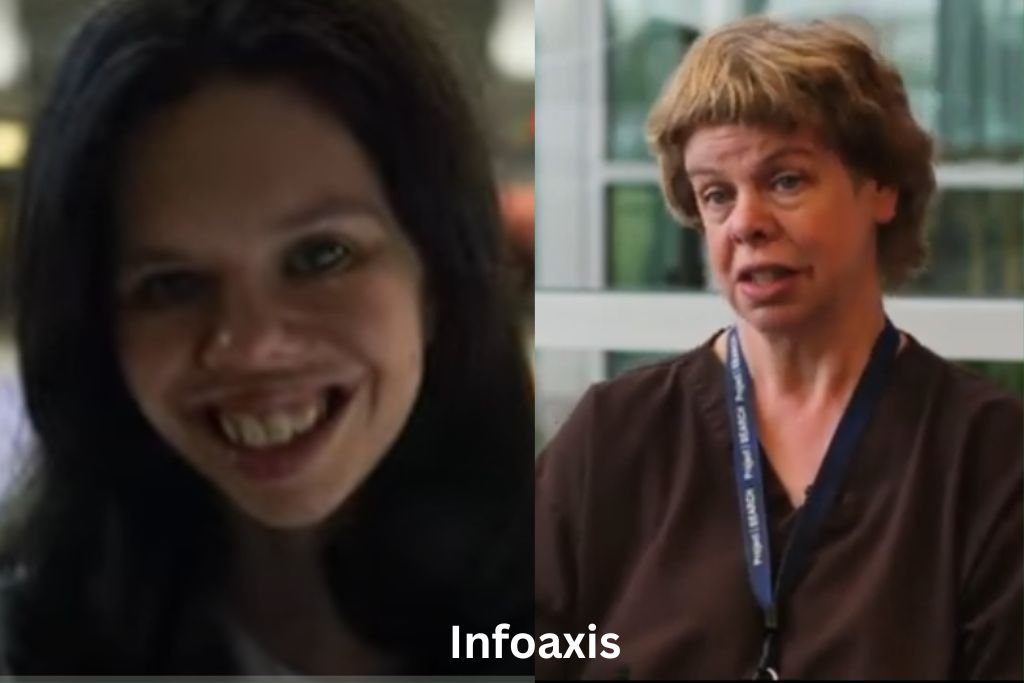
The first thing many people notice is the smile.
It’s bright. Disarming. Almost magnetic.
Then comes the warmth — the way they talk to you like you’ve known each other for years. No barriers. No hesitation. Just genuine connection. For many individuals living with Williams syndrome, this openness is not just personality — it’s part of a rare genetic condition that shapes how they see the world.
When people search for “williams syndrome famous people,” they’re often looking for something deeper than a list of names. They’re searching for proof. Proof that a diagnosis does not define destiny. Proof that challenges and brilliance can exist side by side. Proof that extraordinary lives can emerge from rare beginnings.
Williams syndrome may be uncommon, but the stories of those who live with it are unforgettable.
What Is Williams Syndrome?
Williams syndrome, also known as Williams-Beuren syndrome, is a rare genetic condition caused by a small deletion of genes on chromosome 7. It is present at birth and affects approximately 1 in 7,500–10,000 people worldwide.
Individuals with Williams syndrome often share certain physical and developmental traits, including:
- Distinctive facial features
- Cardiovascular issues (especially supravalvular aortic stenosis)
- Mild to moderate intellectual disability
- Hypersensitivity to sound
- Short stature
- Strong verbal abilities
- Exceptional sociability
- Deep emotional empathy
- Strong affinity for music
But statistics and medical definitions only tell part of the story.
What truly defines Williams syndrome for many families is the unique personality often associated with it — affectionate, compassionate, talkative, and musically inclined. Many individuals demonstrate remarkable strengths in language, rhythm, and emotional expression.
And some have stepped into the public eye.
Williams Syndrome Famous People Who Inspire the World
Below are individuals widely reported to be living with Williams syndrome and who have gained recognition through their talents, advocacy, or media appearances.
1. Gloria Lenhoff – The Polyglot Soprano
If you ever hear Gloria Lenhoff sing, you might assume she trained in elite conservatories for decades.
She has performed in more than 30 languages.
She can sing over 2,000 songs.
Her pronunciation is flawless.
Her pitch is precise.
Her emotional delivery is breathtaking.
Gloria was diagnosed with Williams syndrome at an early age. While she faced developmental challenges, her gift for music blossomed almost immediately. Her extraordinary memory for lyrics and melody astonished musicians and linguists alike.
She has collaborated with symphonies and even worked alongside the rock band Aerosmith. Beyond performance, she has become an advocate for greater understanding of Williams syndrome, demonstrating that intellectual disability does not cancel artistic brilliance.
Her story is a reminder that talent often blooms in unexpected ways.
2. Ben “Big Red” Monkaba – Rhythm, Joy, and Heart
Ben Monkaba, affectionately known as “Big Red,” was diagnosed with Williams syndrome at just six weeks old. He faced heart complications and underwent multiple surgeries in early childhood.
But music became his language.
By fifth grade, Ben was already playing drums. His red hair and infectious smile made him unforgettable on stage. He later became a professional drummer, vocalist, and even a clown performer — bringing laughter and rhythm into communities wherever he went.
Those who meet Ben often describe his presence as electric. His performances aren’t just technical displays of rhythm — they are celebrations of connection.
His life reflects something powerful: that joy itself can be a calling.
3. Gabrielle Marion-Rivard – Award-Winning Actress
In 2013, a Canadian film titled Gabrielle captured audiences worldwide. The film tells the story of a young woman with Williams syndrome navigating love, independence, and identity.
The actress playing Gabrielle was not pretending.
Gabrielle Marion-Rivard lives with Williams syndrome in real life. Her performance was authentic, layered, and emotionally resonant. In 2014, she won the Canadian Screen Award for Best Actress.
Her win was historic — not just for her career, but for disability representation in film.
Gabrielle’s success challenged outdated assumptions about who can lead a movie, who can portray complex emotional depth, and who belongs on stage.
4. Jeremy Vest – The Born Performer
Jeremy Vest was diagnosed with Williams syndrome at age three. Like many individuals with the condition, he demonstrated a powerful connection to music early on.
He began playing drums at age six and later attended Berkshire Hills Music Academy in Massachusetts, a school specializing in music education for students with intellectual disabilities.
Jeremy later joined the documentary news series How’s Your News?, showcasing his personality, humor, and performance skills.
He has been described by peers as a “born entertainer.” Comfortable on camera and on stage, Jeremy embodies one of the most commonly observed strengths of Williams syndrome — fearless sociability.
5. Jenny Lynn Unrein – Art Without Limits
Art is often described as therapy.
For Jenny Lynn Unrein, art became entrepreneurship.
Living with Williams syndrome, Jenny founded JennyLu Designs, a business that produces paintings, greeting cards, and handcrafted items sold internationally. Her colorful, joyful artwork has even been displayed at the White House.
With the support of her family, Jenny transformed creativity into independence. Her business stands as a testament to how structured support and encouragement can unlock potential.
Her work radiates optimism — much like her personality.
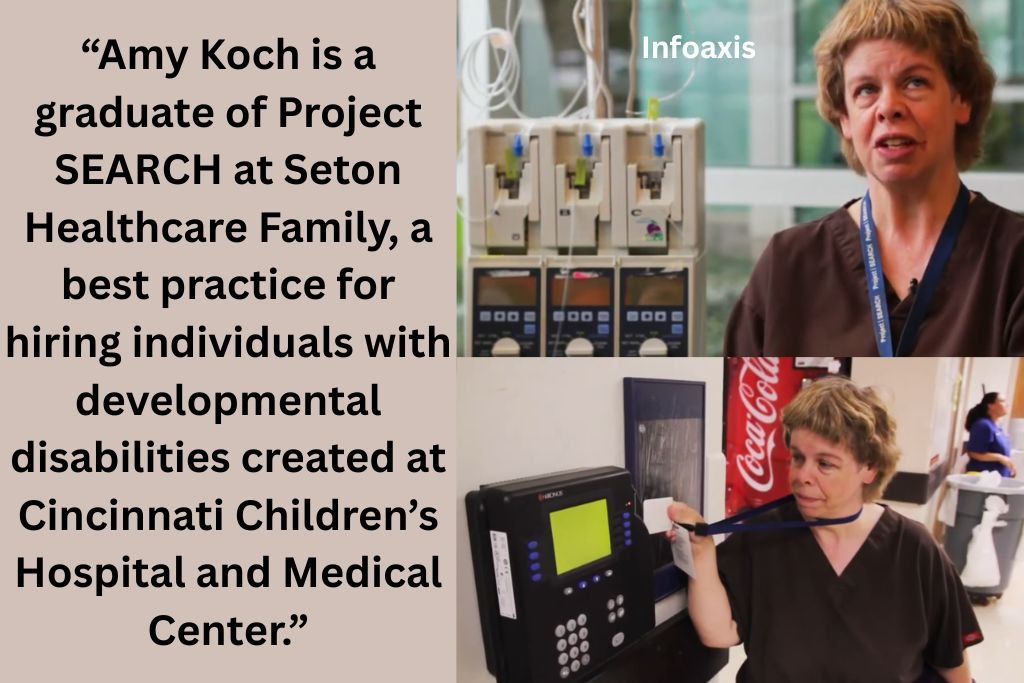
6. Amy Koch – Breaking Barriers in Employment
Amy Koch was diagnosed with a genetic disorder in adulthood. Rather than retreat from the spotlight, she embraced it.
She became featured in KLRU-TV’s Women and Girls Lead series, advocating for women with developmental disabilities. She also graduated from Project SEARCH, an employment initiative run by Cincinnati Children’s Hospital to integrate individuals with developmental disabilities into the workforce.
Amy’s story is less about celebrity and more about empowerment.
Her message is simple but powerful: “Be proud of who you are.”
7. Leah Ward – Friendship as Advocacy
Leah Ward became known publicly through her close friendship with North Carolina Central University basketball coach Levelle Moton.
Their friendship began at a prom event organized for individuals with disabilities who missed traditional high school dances. What started as one night became an ongoing connection, with Leah later addressing Moton’s basketball team before games.
Leah’s confidence and outgoing personality represent one of the most heart-warming aspects of Williams syndrome: uninhibited warmth.
Her story reminds us that influence doesn’t require a red carpet — sometimes it’s built on human connection.
The Common Thread: Music, Language, and Social Strength
Many of the individuals above share striking similarities:
- Deep love for music
- Strong verbal communication skills
- Emotional expressiveness
- Comfort in social settings
- Empathy and warmth
Researchers believe the gene deletion associated with Williams syndrome affects brain regions tied to social processing and auditory function. While certain cognitive areas may be impacted, others — especially language and musicality — may be relatively strong.
This uneven cognitive profile is one of the most fascinating aspects of the condition.
In many ways, Williams syndrome challenges traditional ideas of intelligence. It shows us that ability is not linear. Strengths and limitations can coexist in unexpected combinations.
The Importance of Representation
When people search for williams syndrome famous people, they’re often parents.
Parents who just received a diagnosis.
Parents who are scared.
Parents who want hope.
Seeing public figures living full lives can be transformative.
Representation does not erase medical challenges. Individuals with Williams syndrome may still face heart surgeries, developmental delays, anxiety disorders, or educational barriers.
But representation shifts perspective.
It replaces fear with possibility.
It replaces stereotypes with stories.
Beyond Fame: Everyday Extraordinary
Not every person with Williams syndrome becomes a performer, entrepreneur, or award-winning actress.
But many live meaningful, joyful lives filled with music, friendship, advocacy, and creativity.
The most powerful takeaway is this:
Fame is not the point.
Human potential is.
Williams syndrome may shape certain aspects of a person’s development, but it does not dictate their value, capacity for love, or ability to contribute to society.
In fact, many families describe their loved ones with Williams syndrome as bringing extraordinary emotional richness into their lives.
Final Thoughts
The phrase “williams syndrome famous people” isn’t just a search term. It’s a doorway into stories of resilience, artistry, connection, and courage.
From Gloria Lenhoff’s multilingual soprano performances to Gabrielle Marion-Rivard’s award-winning acting, from Ben Monkaba’s rhythmic joy to Jenny Unrein’s entrepreneurial creativity — these individuals remind us that human diversity is not something to fix, but something to understand and celebrate.
Rare conditions often carry invisible struggles. But they also carry rare strengths.
And as awareness grows, platforms like Infoaxis continue sharing stories that highlight the power of perseverance and individuality.
Because sometimes, the most extraordinary people are the ones who were never expected to be.
Read More : 8889108129
Read More : Pewcetowiec
Read More : Dani Ruberti Biography




Leave a Reply