
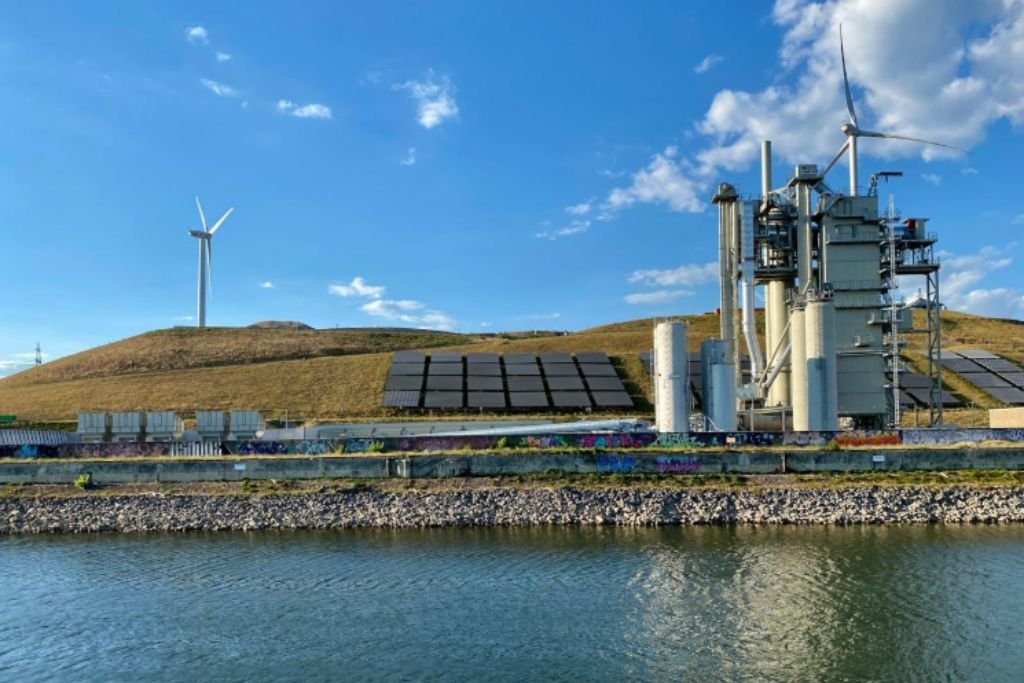
Modern technology feels seamless on the surface. Devices turn on instantly, data flows continuously, and systems operate around the clock with minimal visible interruption. Yet beneath this convenience lies a complex and carefully managed power infrastructure that makes reliability possible. From homes and offices to transportation networks and industrial operations, power systems quietly support nearly every aspect of modern life.
As technology becomes more interconnected and dependent on constant uptime, the importance of resilient power infrastructure has grown. These systems are no longer just about supplying electricity; they are about managing load, ensuring safety, enabling efficiency, and preventing failure in environments where downtime can be costly or dangerous.
The Invisible Backbone of Digital Life
Every piece of modern technology relies on a stable power source. Servers hosting cloud platforms, communication networks routing data, and devices people use daily all depend on uninterrupted energy flow. This reliance has transformed power infrastructure from a background utility into a core operational concern.
Unlike earlier eras, today’s systems cannot tolerate frequent outages or fluctuations. Even brief disruptions can cascade into data loss, service interruptions, or safety risks. As a result, power infrastructure now includes layers of redundancy, monitoring, and control designed to keep systems running under varying conditions.
This invisible backbone is engineered to adapt to changing demand, anticipate failures, and recover quickly when issues arise.
Power Management Beyond Simple Supply
Supplying electricity is only part of the challenge. Modern power infrastructure must actively manage how energy is distributed, stored, and consumed. Power management systems balance loads across networks, regulate voltage, and protect sensitive equipment from surges or instability.
Energy storage plays an increasingly important role in this process. Batteries, backup systems, and charging infrastructure help smooth demand peaks and provide continuity when primary sources are interrupted. These systems allow technology to function reliably even when external conditions are unpredictable.
In high-stakes environments, power management is inseparable from safety. Systems are designed to fail gracefully, ensuring that critical operations remain functional long enough for corrective action.
Supporting High–Demand and Safety–Critical Operations
Some technologies operate in environments where failure is not an option. Transportation, healthcare, manufacturing, and logistics systems all rely on power infrastructure that meets strict reliability standards.
Ground support equipment, medical devices, and industrial automation platforms require precise power control to function safely. In aviation support operations, for example, specialized infrastructure such as battery chargers for aircraft is part of a broader ecosystem that ensures equipment operates consistently and safely during demanding schedules.
These applications illustrate how power infrastructure extends beyond general utilities into purpose-built systems tailored to specific operational needs.
Redundancy, Monitoring, and Predictive Maintenance
One defining feature of modern power infrastructure is redundancy. Critical systems often include backup power sources, parallel circuits, and failover mechanisms that activate automatically when problems occur. This layered approach reduces the likelihood that a single failure will bring operations to a halt.
Monitoring technology enhances this resilience. Sensors and control systems track performance in real time, detecting anomalies before they escalate. Predictive maintenance uses data trends to anticipate component wear, allowing repairs or replacements to happen proactively.
Together, redundancy and monitoring shift power infrastructure from reactive to preventative, minimizing disruption while extending system lifespan.
The Shift Toward Efficiency and Sustainability
As energy costs rise and environmental concerns grow, efficiency has become a central focus of power infrastructure design. Modern systems aim to deliver reliable power while minimizing waste and unnecessary consumption.
Advances in energy-efficient hardware, smart grids, and optimized charging systems reduce overall demand without compromising performance. These improvements benefit not only large organizations but also individual users through lower costs and improved reliability.
Sustainability considerations increasingly influence infrastructure decisions. Power systems are evaluated not just on capacity, but on long-term impact, adaptability, and alignment with cleaner energy sources.
Power Infrastructure as a Strategic Asset
Power infrastructure is no longer treated as a passive utility expense. For many organizations, it is a strategic asset that supports growth, resilience, and competitive advantage. Reliable power enables scalability, supports innovation, and protects against operational risk.
Investments in modern infrastructure often yield returns through reduced downtime, improved safety, and greater efficiency. As technology continues to evolve, the ability to adapt power systems accordingly becomes a defining factor in long-term success.
This strategic perspective encourages ongoing evaluation and improvement rather than one-time installation.
Conclusion
The technologies that define modern life depend on far more than software and hardware alone. Behind every connected device and automated system is a sophisticated power infrastructure designed to deliver reliability, safety, and efficiency at scale.
As demands on technology increase, so does the importance of resilient power systems that can adapt, recover, and perform under pressure. By understanding and investing in the infrastructure that keeps technology running, organizations and individuals alike support a future where innovation remains dependable—not just impressive.













Leave a Reply