
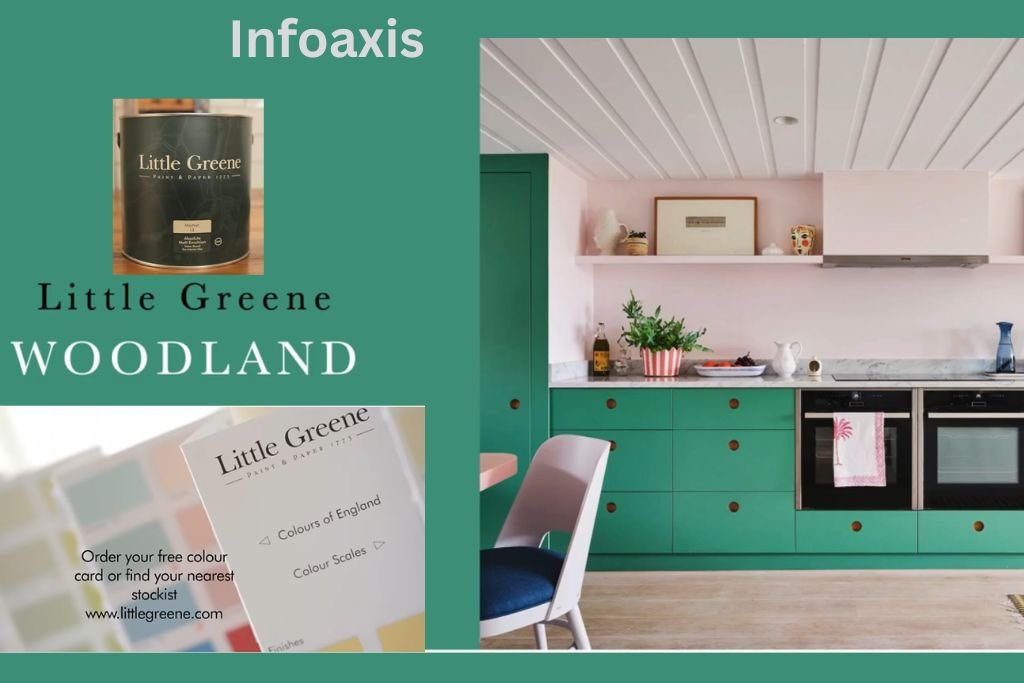
The moment you step into a beautifully designed room, something magical happens. The walls don’t just stand quietly in the background—they tell a story. The colors evoke emotion, history, and personality. Behind many of those stunning interiors lies a brand that has quietly mastered the art of paint for centuries: Little Greene Paint.
Imagine a color palette inspired not by fleeting trends but by centuries of architectural history, historic homes, and timeless design. Imagine paints crafted with care, sustainability, and exceptional quality. That is the world of Little Greene Paint—a brand that has transformed the simple act of painting a wall into an artistic and historical experience.
In this article, we’ll explore the fascinating story behind Little Greene Paint, what makes it unique, why designers love it, and how it continues to shape modern interiors.
The Heritage Behind Little Greene Paint
Every great brand has a story, and Little Greene Paint’s story begins over two centuries ago.
The name “Little Greene” originates from a small hamlet near Manchester, England, where a dye works operated as early as 1773. In those days, the facility produced pigments and dyes used in the textile industry, which was thriving during Britain’s industrial revolution.
Fast forward to the late 20th century when entrepreneur David Mottershead revived the historic paint factory in North Wales. Instead of mass-producing generic paint, he envisioned something different—paint that honored tradition, history, and craftsmanship.
The result was the rebirth of The Little Greene Paint Company, a brand that combines historic color research with modern paint technology.
Today, the company is renowned for producing premium paints and wallpapers inspired by 300 years of decorative history.
What Makes Little Greene Paint Special?
Not all paints are created equal. While many brands focus on affordability and mass production, Little Greene prioritizes quality, sustainability, and authenticity.
Here are several factors that make this paint brand stand out.
Rich Pigmentation
One of the first things decorators notice about Little Greene Paint is its deep, rich color.
The brand uses high pigment levels, allowing colors to appear fuller, deeper, and more vibrant than standard paints. This also improves coverage, meaning fewer coats are often required to achieve the desired finish.
For homeowners and professionals alike, this translates into better results and longer-lasting color.
Heritage Color Palettes
Little Greene’s colors are not randomly created. Instead, they are carefully researched and recreated from historical interiors.
The company works with organizations like the National Trust in the UK to study historic buildings, analyze original paint samples, and reproduce authentic shades.
This means that when you use a Little Greene color, you are often using a tone that once appeared in historic castles, manor houses, or Georgian homes.
Some collections even feature shades dating back to the 17th and 18th centuries.
Exceptional Paint Finishes
Little Greene produces a wide range of finishes designed for different surfaces and environments.
Some of the most popular include:
Absolute Matt Emulsion – ideal for interior walls and ceilings
Intelligent Matt Emulsion – washable and durable for busy homes
Intelligent Satinwood – perfect for woodwork and trim
Intelligent Gloss – high-shine finish for dramatic interiors
Floor Paint – designed for heavy foot traffic
Each finish is engineered to provide durability, beauty, and easy maintenance.
The Eco-Friendly Philosophy of Little Greene Paint
Modern homeowners are increasingly concerned about sustainability, and Little Greene has embraced this shift with remarkable commitment.
Low VOC Formulas
VOC stands for volatile organic compounds, which are chemicals that can affect indoor air quality.
Little Greene’s water-based paints contain very low VOC levels, making them safer for homes, especially those with children or pets.
Sustainable Manufacturing
The company manufactures all of its paint in the UK using responsible production practices.
This ensures strict environmental standards while maintaining high quality.
Recycled Paint Innovation
In recent years, Little Greene introduced Re:mix, a paint collection created using leftover or excess paint materials.
Instead of discarding usable paint, the company recycles it into new colors, reducing waste and supporting environmental sustainability.
Recyclable Packaging
Even the packaging reflects the brand’s environmental mission. Paint tins are made using recycled materials and are fully recyclable.
This approach makes Little Greene one of the most environmentally responsible paint brands in the industry.
Popular Little Greene Paint Colors
Choosing a paint color can feel overwhelming, but Little Greene’s curated palettes make the process easier.
Some of the brand’s most beloved shades include:
Slaked Lime
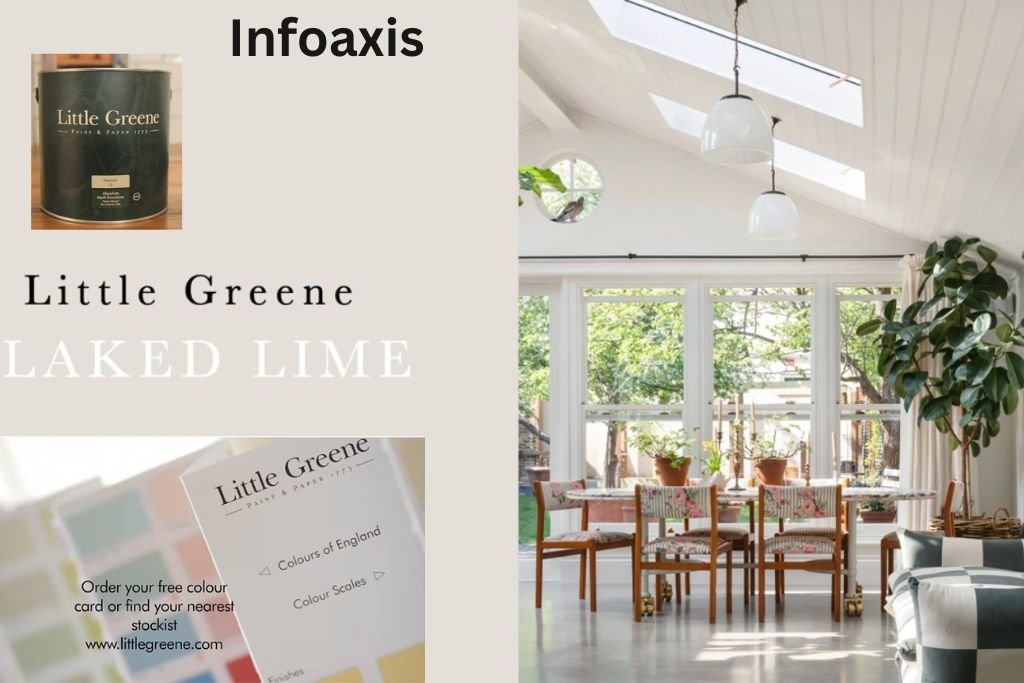
A soft, warm white that works beautifully in both modern and traditional interiors.
French Grey
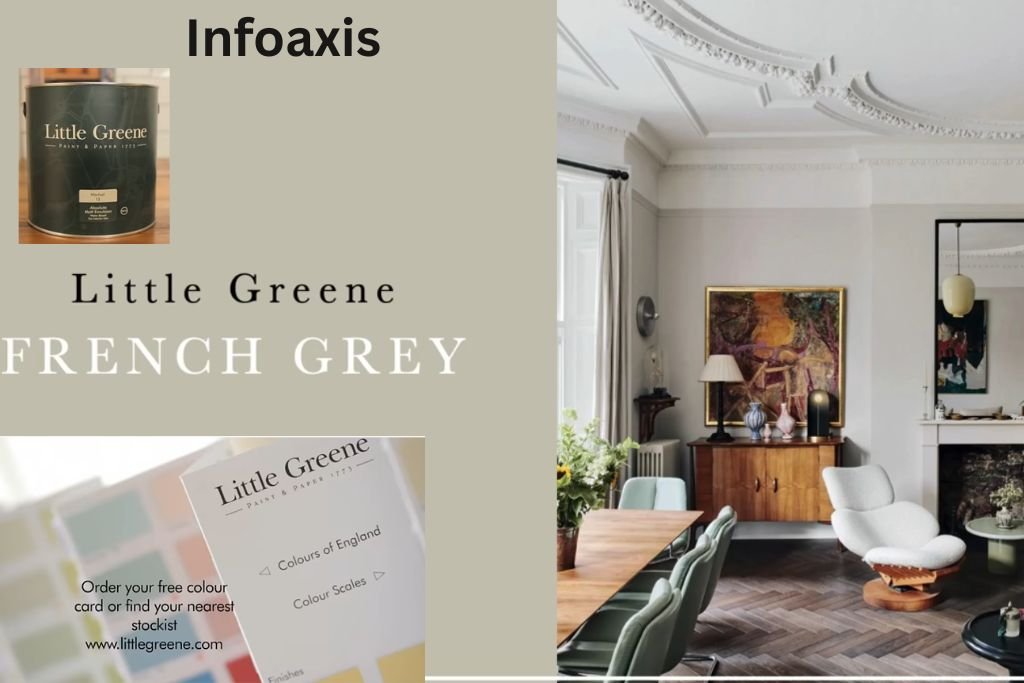
Despite its name, this color has subtle green undertones that add warmth and depth.
Hicks’ Blue
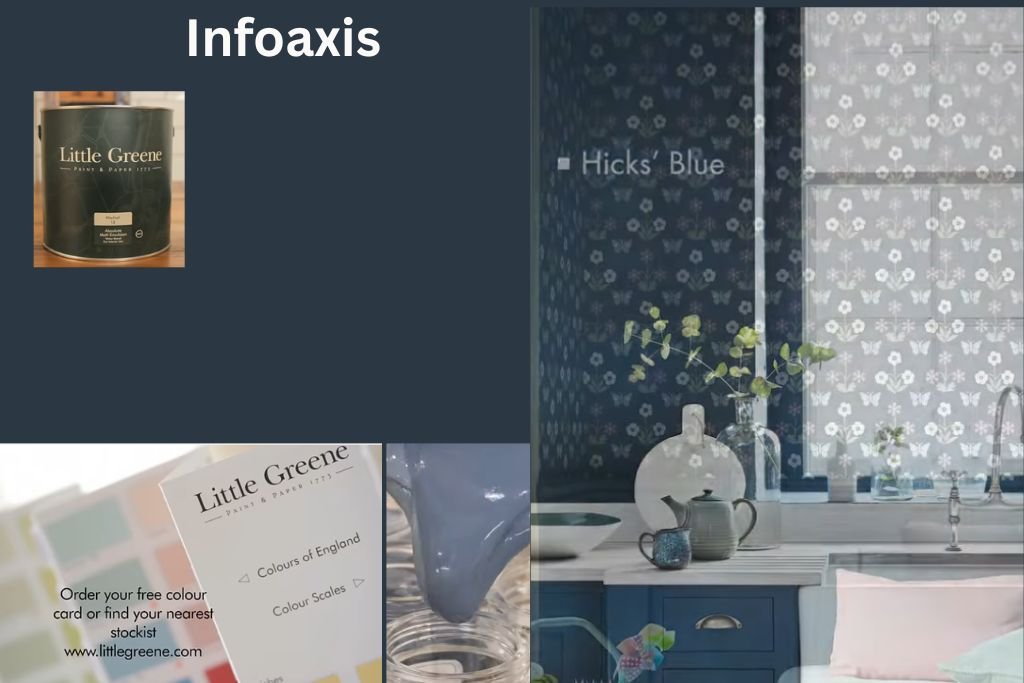
A bold and dramatic navy shade that adds sophistication to living rooms and dining spaces.
Silent White
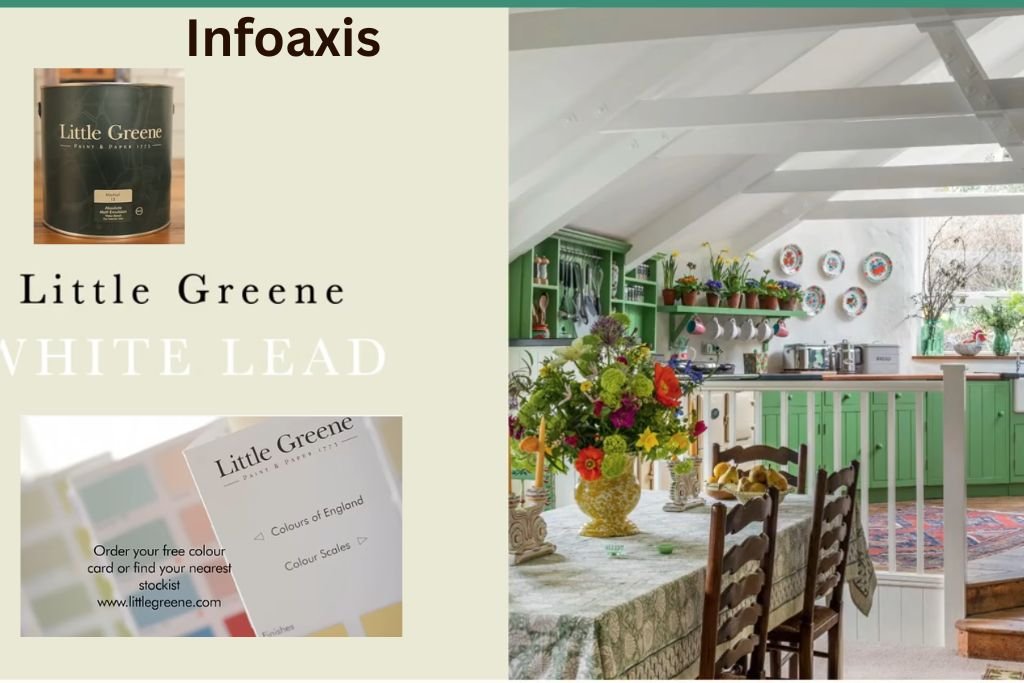
A calming neutral tone perfect for minimalist or Scandinavian-inspired interiors.
Garden
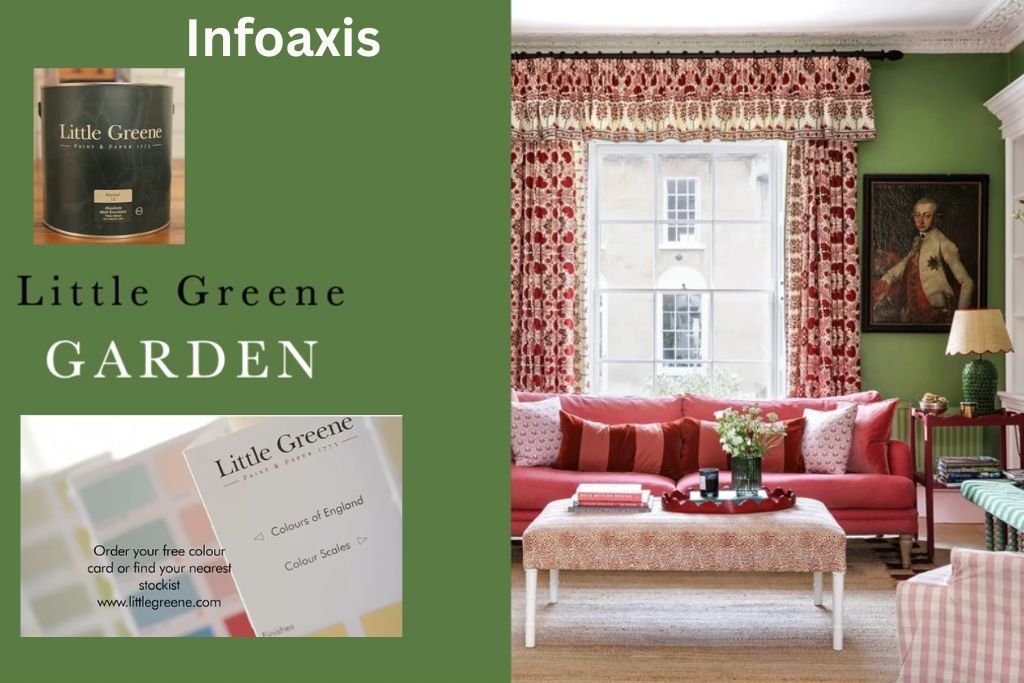
A natural green inspired by outdoor landscapes.
These colors demonstrate the brand’s philosophy of timeless elegance rather than temporary trends.
Why Interior Designers Love Little Greene Paint
Professional decorators and interior designers frequently choose Little Greene for high-end projects.
Here’s why.
Consistency and Quality
Little Greene paints are known for their consistent formulation and exceptional durability. This reliability makes them a favorite among professionals.
Perfect for Historic Homes
Because many colors are historically accurate, Little Greene is often used in restoration projects and heritage properties.
Depth and Character
The richness of pigments allows colors to change subtly depending on lighting conditions. This creates interiors that feel dynamic and full of life.
Wide Design Possibilities
From dramatic dark tones to soft neutrals, the brand’s palette allows designers to experiment with bold or understated interiors.
How to Choose the Right Little Greene Paint for Your Home
Selecting the perfect paint depends on several factors.
Consider Lighting
Natural and artificial lighting can dramatically affect how colors appear.
Testing samples in different lighting conditions can help ensure you choose the right shade.
Think About Mood
Different colors evoke different emotions.
Soft neutrals create calm environments, while deep blues and greens add drama and sophistication.
Match the Finish to the Room
High-traffic areas like kitchens or hallways benefit from washable finishes, while living rooms may prioritize a luxurious matte appearance.
Little Greene Paint vs Other Premium Paint Brands
Little Greene often gets compared to other high-end paint brands such as Farrow & Ball.
While both brands focus on heritage colors and premium quality, Little Greene stands out for several reasons:
- Higher pigment levels
- Greater durability in some finishes
- Strong sustainability initiatives
- Extensive historical color research
For many homeowners and designers, these features make Little Greene an exceptional choice.
The Future of Little Greene Paint
As interior design continues evolving, one thing remains clear: people want spaces that feel meaningful and authentic.
Little Greene’s dedication to heritage, craftsmanship, and sustainability ensures that the brand will remain relevant for years to come.
Rather than chasing trends, the company focuses on timeless design principles—colors that tell stories and interiors that feel deeply personal.
Final Thoughts
Choosing paint might seem like a simple decision, but the right color can transform an entire space.
Little Greene Paint offers more than just color—it offers history, artistry, and sustainability in every tin. Whether you are renovating a historic property or designing a modern home, these paints provide depth, durability, and timeless beauty.
If you enjoy discovering design inspiration, historical craftsmanship, and home improvement insights, you can explore more informative content and guides on Infoaxis, where we regularly share knowledge to help readers make better lifestyle and design decisions.
Read More : The Art of Home Decor: Turning Your House Into a Personal Story
Read More : TechoElite Smart Homes










Leave a Reply