
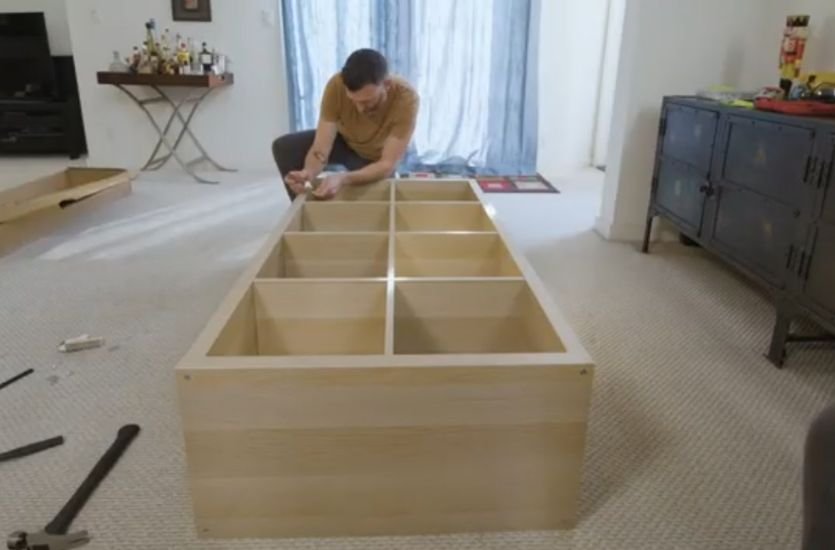
How to Assemble Furniture
A brand-new piece of furniture can completely transform a room, but seeing dozens of wooden panels, bags of screws, and pages of instructions spread across the floor can feel overwhelming. Fortunately, learning how to assemble furniture is much easier than many people expect. With the right preparation, a few basic tools, and a systematic approach, anyone can build sturdy, attractive furniture without needing professional assistance.
Whether you have purchased a flat-pack wardrobe, a modern office desk, a stylish bookshelf, or a comfortable bed frame, proper assembly plays a major role in the furniture’s safety, durability, and appearance. Rushing through the process or ignoring the manufacturer’s instructions often leads to loose joints, unstable structures, and unnecessary frustration. On the other hand, taking your time and following proven techniques ensures your furniture remains reliable for years.
This comprehensive guide explains everything you need to know about how to assemble furniture, from preparing your workspace and choosing the right tools to avoiding common mistakes and maintaining your newly assembled furniture.
Why Furniture Assembly Matters
Furniture assembly is much more than simply connecting wooden boards with screws. Every component has been designed to fit together in a specific order, allowing the finished product to distribute weight evenly and remain stable during daily use.
Proper assembly improves structural strength, prevents wobbling, extends the furniture’s lifespan, and reduces the risk of accidents. Incorrectly installed hardware or poorly aligned panels can weaken the entire structure, making the furniture unsafe over time.
Following the recommended assembly process also protects manufacturer warranties, as many companies require products to be assembled according to their instructions before honouring warranty claims.
Understanding Flat-Pack Furniture
Modern furniture is commonly delivered as flat-pack furniture because it reduces shipping costs, minimises storage space, and lowers transportation expenses. Instead of arriving fully assembled, the furniture comes in carefully packaged panels, hardware, and illustrated instruction manuals.
Flat-pack furniture is available in nearly every category, including wardrobes, beds, coffee tables, dining tables, bookshelves, office desks, cabinets, entertainment units, shoe racks, and storage solutions.
Although assembling flat-pack furniture may appear complicated initially, manufacturers carefully engineer each piece so that consumers can complete the process with ordinary household tools.
Preparing Before You Begin
Preparation is one of the most important parts of learning how to assemble furniture. Spending a few extra minutes organising your workspace can save hours of confusion later.
Choose a spacious room with enough floor space to lay every component flat. Good lighting is equally important because many hardware pieces are small and can easily be confused with similar-looking parts.
Protect your flooring by placing a blanket, cardboard sheet, or soft mat beneath the furniture components. This prevents scratches on both the floor and the furniture panels.
Before opening every package completely, read through the instruction manual from beginning to end. Familiarising yourself with the entire process helps you understand the sequence before assembly begins.
Essential Tools for Furniture Assembly
Most furniture manufacturers include a basic Allen key, but having your own quality tools makes assembly faster and more comfortable.
A Phillips screwdriver is useful for tightening standard screws, while a flat-head screwdriver may be required for certain fittings. An adjustable wrench helps secure bolts, and a rubber mallet gently taps components into place without damaging the furniture’s surface.
A measuring tape helps verify spacing, while a spirit level ensures shelves, cabinets, and tables sit perfectly straight after assembly. Small containers are also valuable for organising screws, dowels, washers, and other hardware.
Although cordless screwdrivers can speed up the process, they should be used carefully at low torque settings to avoid stripping screws or damaging wood panels.
Organising Every Component
Once the packaging has been removed, arrange every panel, fastener, and accessory neatly on the floor.
Compare each part with the inventory list provided in the instruction manual. Count every screw, cam lock, dowel, hinge, bracket, and support piece before beginning assembly.
Grouping identical hardware together reduces confusion later and prevents accidentally using the wrong screw during an early step.
Taking photographs of the organised parts before assembly can also be helpful if you need to pause and continue another day.
Reading Assembly Instructions Properly
Many people make the mistake of glancing at the instructions rather than studying them carefully.
Manufacturers design their manuals using diagrams because they can be understood regardless of language. Every illustration usually represents a specific sequence that should not be changed.
Pay attention to arrows, panel orientation, numbering systems, and symbols. Even rotating one panel incorrectly can prevent the remaining pieces from fitting together later.
Reading two or three steps ahead often helps you understand why a particular component must be installed first.
How to Assemble Furniture Step by Step
Preparing the Workspace
Begin by clearing enough space around the furniture. Place all panels face upward where possible and keep hardware containers nearby.
Ensure children and pets remain away from the work area to prevent injuries or missing components.
Building the Main Frame
The main frame forms the foundation of almost every furniture item.
Connect the base panels first using dowels, screws, or cam locks according to the instruction manual. Do not fully tighten the fasteners during this stage because slight adjustments may still be necessary.
A flexible frame allows easier alignment when side panels and cross supports are added later.
Installing Side Panels
Once the frame has been completed, attach the side panels carefully.
Check every panel’s orientation before inserting screws. Many boards have pre-drilled holes that must face inward or upward depending on the furniture design.
Incorrect orientation often causes major assembly problems later.
Adding Internal Supports
Shelves, centre supports, and reinforcement panels strengthen the overall structure.
Install these components according to the manufacturer’s sequence instead of choosing your own order. Structural supports frequently lock earlier sections into their correct positions.
Attaching the Back Panel
The back panel plays an essential role in maintaining the furniture’s shape.
Whether made from hardboard or engineered wood, it helps prevent side-to-side movement and significantly increases stability.
Attach it evenly while ensuring the frame remains square.
Installing Doors and Drawers
Cabinet doors, drawers, and sliding components are usually installed after the main structure is complete.
Adjust hinges gradually until the doors close smoothly with even spacing around the edges.
Drawer runners should slide effortlessly without sticking or tilting.
Final Tightening
After every component has been correctly positioned, tighten all screws evenly.
Avoid tightening one corner completely before the others. Instead, work around the furniture gradually so pressure remains balanced throughout the structure.
Stability Check
Before using the furniture, gently shake it from multiple directions.
If any movement exists, inspect every fastener and ensure all panels are seated correctly.
Use a spirit level to verify that cabinets and wardrobes stand perfectly upright.
Common Mistakes to Avoid
Learning how to assemble furniture also means understanding the mistakes that commonly cause problems.
Skipping the instruction manual is one of the biggest errors beginners make. Even experienced DIY enthusiasts should follow the manufacturer’s recommended order because every design differs slightly.
Using excessive force when parts do not fit together usually indicates that something has been installed incorrectly rather than manufactured incorrectly.
Over-tightening screws too early often causes alignment issues because later components cannot move into position properly.
Mixing different screw sizes may seem harmless initially, but even small differences in length can damage panels or leave joints insecure.
Building furniture on uneven flooring can also create the false impression that the furniture itself is unstable.
Safety During Furniture Assembly
Safety should always remain a priority throughout the assembly process.
Heavy furniture should never be lifted alone if assistance is available. Two people can safely position large wardrobes, entertainment units, and bed frames without risking injury.
Wear protective gloves if handling unfinished wooden panels, and avoid leaving screws scattered across the floor where they may become tripping hazards.
Tall furniture such as wardrobes and bookshelves should always be secured to the wall using appropriate anti-tip brackets once assembly has been completed.
Never allow children to climb partially assembled furniture, as incomplete structures may collapse unexpectedly.
Furniture-Specific Assembly Tips
Beds
Bed frames require careful alignment before tightening bolts. Ensure the centre support beam remains level and securely attached to maximise mattress support.
Bookshelves
Bookshelves should be assembled on a flat surface before standing them upright. Every shelf must sit squarely inside its designated grooves to prevent uneven weight distribution.
Wardrobes
Large wardrobes usually require two people because of their size and weight. Install internal shelves before attaching doors to simplify the process.
Office Desks
Office desks should have all legs tightened evenly to prevent rocking. Check that cable management holes remain accessible after assembly.
Dining Tables
Dining tables benefit from gradual tightening across all legs. This prevents twisting and keeps the tabletop perfectly level.
Troubleshooting Common Problems
Sometimes furniture assembly does not go exactly as planned.
If holes do not align correctly, avoid forcing screws into place. Instead, loosen nearby fasteners slightly and reposition the affected panels.
Missing hardware should be reported to the manufacturer rather than substituted with unsuitable screws from other furniture.
If drawers fail to slide smoothly, verify that the runners have been installed in the correct orientation.
Doors that appear uneven can usually be corrected by adjusting the hinge screws instead of removing the entire door.
Furniture that wobbles often requires every screw to be loosened slightly before carefully re-tightening them while the unit stands square.
When Professional Assembly May Be Worth Considering
Although most homeowners can successfully learn how to assemble furniture, certain situations justify hiring professional assemblers.
Large modular wardrobes, commercial office furniture, wall-mounted entertainment systems, Murphy beds, and premium designer furniture often involve complex installation procedures.
Professional installers can also save valuable time for businesses furnishing offices or homeowners assembling multiple large furniture pieces simultaneously.
Caring for Newly Assembled Furniture
Proper maintenance keeps furniture looking attractive and structurally sound for many years.
Inspect screws periodically because normal use can gradually loosen hardware over time.
Clean surfaces using products recommended for the furniture material, whether wood, laminate, glass, or metal.
Avoid placing excessive weight on shelves beyond their stated capacity, as overloading may permanently damage panels or brackets.
Store the original instruction manual and any spare hardware in a labelled envelope. These materials become extremely useful if the furniture is ever moved to another home.
Building Confidence with Every Project
Furniture assembly becomes easier with experience. The first project may require patience and careful attention, but every completed piece develops practical skills that make future assemblies faster and more enjoyable.
Understanding how different fasteners work, recognising common panel designs, and learning efficient organisation techniques all contribute to becoming a confident DIY furniture assembler.
Rather than viewing flat-pack furniture as a challenge, think of it as an opportunity to develop useful home improvement skills while saving money on professional installation.
Conclusion
Learning how to assemble furniture is a valuable skill that combines patience, organisation, and attention to detail. Whether you are building a simple bedside table or assembling a large wardrobe, following the manufacturer’s instructions, preparing your workspace, and using the correct tools will produce safer and more durable results.
Every successful furniture project begins with careful preparation and ends with thorough inspection. By avoiding common mistakes, prioritising safety, and taking time to assemble each component correctly, you can create furniture that not only looks professional but also remains sturdy for years of everyday use. As your confidence grows, assembling furniture will become an enjoyable and rewarding part of improving your home.












Leave a Reply