
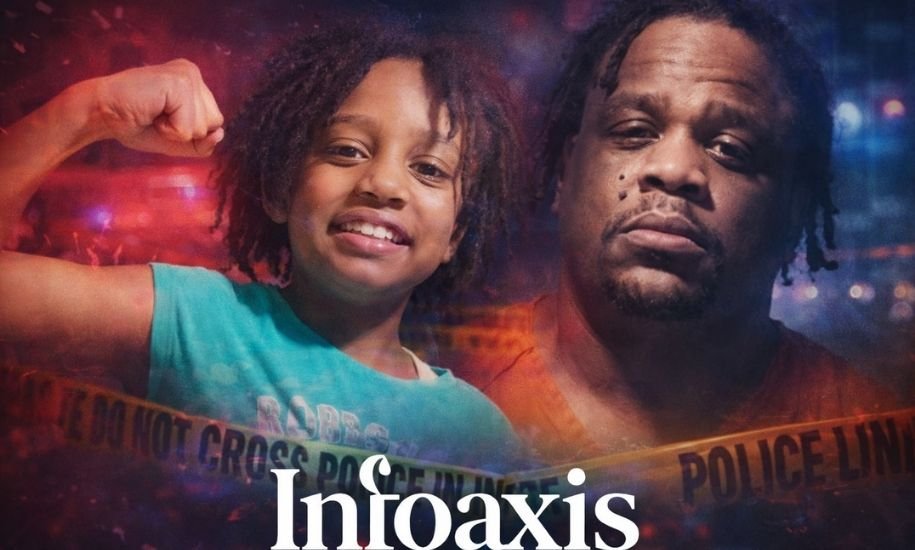
Introduction: The Case That Shook an Iowa Community
The story of Breasia Terrell is one that deeply unsettled the city of Davenport, Iowa, and reverberated across the United States as a tragic example of how quickly childhood innocence can be stolen. In July 2020, Breasia, a bright and energetic 10-year-old girl, vanished under circumstances that immediately alarmed her family and neighbors. What followed was a prolonged search, intense media scrutiny, and a criminal investigation that exposed failures, fears, and uncomfortable truths about child safety, family trust, and the justice system. This article explores Breasia Terrell’s life, her family background, and the sequence of events that led to her disappearance, discovery, and the eventual conviction tied to her case. Rather than reducing the tragedy to headlines, this account seeks to present a comprehensive narrative grounded in reporting, court records, and public statements, examining how Breasia’s story became a symbol of grief and resilience. Her case remains one of the most heartbreaking child abduction and murder cases in recent Iowa history, reminding communities nationwide of the profound consequences when systems fail to protect the most vulnerable.
Breasia Terrell’s Early Life and Family Background
Breasia Terrell was born into a close-knit family that, by many accounts, valued love, connection, and everyday stability despite facing economic and social challenges common to many American households. She lived primarily with her mother in Davenport and was known by relatives as affectionate, curious, and full of life. Family members often described her as a child who enjoyed school, loved her siblings, and found joy in simple routines such as watching television, playing games, and spending time with cousins. Breasia’s extended family played an important role in her upbringing, offering childcare support and emotional reinforcement, particularly when her mother worked long hours. These familial bonds became especially visible after her disappearance, when relatives banded together in search efforts and public appeals. Understanding Breasia’s background is essential, because it underscores how her disappearance was not the result of neglect or isolation, but rather a sudden and devastating rupture in an otherwise ordinary family life. Her story illustrates how tragedy can strike families who are doing their best within imperfect circumstances.
Breasia Terrell’s Mother and Her Role Before the Disappearance
Breasia’s mother, Aishia Lankford, was at the center of both her daughter’s daily life and the public narrative that followed the disappearance. As a single mother, she balanced work, parenting responsibilities, and reliance on trusted family connections to ensure her children were cared for. Reports indicate that she was attentive and protective, yet like many parents, she depended on familiar adults when arranging overnight visits for her children. After Breasia vanished, Aishia became the public face of the search, delivering emotional pleas for her daughter’s safe return and cooperating closely with law enforcement. Her grief, displayed openly in interviews and vigils, resonated with parents across the country. At the same time, she endured intense scrutiny, as is often the case in missing-child investigations, with strangers questioning her decisions and personal life. Despite this pressure, Aishia consistently emphasized her love for Breasia and her determination to seek justice, a stance that later became central during the trial proceedings.
Breasia Terrell’s Brother and the Night She Disappeared
A crucial component of the case involves Breasia’s half-brother, who was present during the final hours before she was reported missing. That night, Breasia had stayed at an apartment with her brother and his father, an arrangement that was not initially seen as unusual. According to testimony later presented in court, the children went to sleep after routine activities, and no immediate signs of danger were observed. It was only the next morning that Breasia could not be found, prompting confusion and panic. The brother’s recollections became pivotal as the investigation unfolded, particularly when he later provided statements about events he claimed to have witnessed. Because he was a minor, details about his identity were protected, but his testimony played a significant role in shaping the prosecution’s case. The involvement of a sibling as a witness added a deeply painful layer to the proceedings, highlighting the emotional toll such cases take on surviving children.
What Happened to Breasia Terrell: Timeline of the Disappearance
On July 10, 2020, Breasia Terrell was reported missing after failing to return home from the overnight stay. Law enforcement agencies quickly mobilized, issuing alerts and launching search efforts across Davenport and surrounding areas. Volunteers combed neighborhoods, parks, and wooded areas while investigators interviewed family members and acquaintances. The case drew regional and national attention, fueled by fears that Breasia had been abducted. Surveillance footage, phone records, and witness statements were collected, gradually narrowing the focus of the investigation. Despite extensive searches, days turned into weeks with no sign of Breasia, deepening the anguish felt by her family and community. The absence of immediate answers transformed the case from a missing-person inquiry into a suspected criminal investigation, setting the stage for the grim developments that followed months later.
The Search Effort and Community Response
The search for Breasia Terrell united the Davenport community in an outpouring of concern and solidarity. Hundreds of volunteers joined organized search parties, distributing flyers and participating in candlelight vigils. Local organizations and faith groups offered resources and emotional support to the family, while social media amplified calls for information. Law enforcement coordinated with state and federal agencies, utilizing specialized units to search difficult terrain. Despite these efforts, progress was painfully slow, and hope gradually gave way to dread. The community response reflected both compassion and frustration, as residents struggled to understand how a child could vanish so completely. This collective experience underscored the vulnerability of children and the reliance communities place on swift investigative action in moments of crisis.
Breasia Terrell Found: Discovery of Her Remains
In March 2021, nearly eight months after her disappearance, human remains were discovered near a rural pond in Clinton County, Iowa. Authorities later confirmed that the remains belonged to Breasia Terrell, bringing a devastating end to the search. The discovery marked a painful turning point, transforming lingering hope into confirmed tragedy. For Breasia’s family, the confirmation delivered both closure and renewed grief, as they confronted the reality of her death. The location and condition of the remains became critical elements of the investigation, informing theories about how and when Breasia was killed. Public reaction was swift and emotional, with renewed calls for accountability and justice.
Breasia Terrell’s Father and Biological Father
Public records and family statements identify Nicholas Hall as Breasia Terrell’s biological father. Though not a central figure in the investigation, his absence from Breasia’s daily life was noted in obituary records and media coverage. Understanding the role of Breasia’s biological father provides context for her family structure and underscores the complexities of modern parenting arrangements. While he was not implicated in the events surrounding her disappearance, his mention in public records became part of the broader narrative about Breasia’s family, particularly as media outlets sought to piece together every aspect of her life. The focus, however, remained squarely on those present during her final hours.
The Emergence of Henry Dinkins as a Suspect
As investigators analyzed evidence, attention increasingly turned to Henry Dinkins, the father of Breasia’s half-brother. Dinkins had a criminal history that raised concerns, including prior convictions that made his presence around children particularly troubling. Surveillance footage and witness statements placed him in key locations during the critical time frame, and inconsistencies in his accounts drew further suspicion. Law enforcement eventually named him as a person of interest, a development that intensified media coverage and public scrutiny. The identification of a suspect brought a measure of direction to the case, even as many questions remained unanswered.
Breasia Terrell and Henry Dinkins: The Prosecution’s Case
Prosecutors alleged that Henry Dinkins kidnapped and killed Breasia Terrell, presenting evidence that included forensic findings, digital records, and testimony from witnesses. Central to the case was the account provided by Breasia’s half-brother, who testified about events he claimed to have observed. Prosecutors argued that Dinkins exploited his access to the child and took deliberate steps to conceal his actions. The prosecution’s narrative painted a chilling picture of betrayal and violence, emphasizing the vulnerability of children placed in the care of adults they are taught to trust. This framing resonated strongly with jurors and the public alike.
The Defense Strategy and Courtroom Proceedings
Dinkins’ defense challenged the credibility of witness testimony and questioned the interpretation of forensic evidence. Defense attorneys argued that the case relied too heavily on circumstantial evidence and sought to introduce alternative explanations for Breasia’s disappearance and death. The courtroom proceedings were marked by emotional testimony and detailed forensic analysis, reflecting the gravity of the charges. Because the trial was conducted as a bench trial rather than before a jury, the responsibility for weighing evidence rested solely with the judge. This format underscored the importance of legal precision and factual clarity in determining the outcome.
Verdict and Sentencing in the Breasia Terrell Case
In September 2023, the judge found Henry Dinkins guilty of kidnapping and murder in connection with Breasia Terrell’s death. The verdict brought a measure of justice to a case that had haunted the community for years. At sentencing, the court imposed a life sentence, reflecting the severity of the crime and its irreversible impact. For Breasia’s family, the verdict validated their pursuit of accountability, even as it could never restore what was lost. The conclusion of the trial marked the end of the legal process but not the emotional journey for those affected.
Media Coverage and Public Perception
The Breasia Terrell case received extensive media coverage, from local Iowa outlets to national news organizations. This attention amplified awareness but also raised ethical questions about the portrayal of victims and families in high-profile cases. While coverage helped keep the case in the public eye, it also exposed the family to relentless scrutiny. The balance between informing the public and respecting personal grief became a recurring theme, illustrating the complex role media plays in criminal justice narratives.
Impact on Child Safety Awareness
Breasia Terrell’s story prompted renewed discussions about child safety, supervision, and the risks posed by individuals with violent criminal histories. Advocacy groups cited the case in calls for stronger safeguards and community vigilance. Parents and caregivers nationwide reflected on the trust they place in others and the precautions necessary to protect children. Although no single case can prevent future tragedies, Breasia’s story contributed to broader awareness and dialogue about prevention.
The Ongoing Grief of the Breasia Terrell Family
For Breasia’s family, life after the trial continues to be shaped by loss. Public statements from her mother and relatives emphasize remembrance and the importance of honoring Breasia’s memory. Memorials, anniversaries, and quiet moments of reflection serve as reminders of a child whose life was cut short. The family’s resilience, despite enduring unimaginable pain, stands as a testament to their love for Breasia and their commitment to keeping her story alive.
Breasia Terrell’s Legacy and Community Memory
Beyond the courtroom, Breasia Terrell’s legacy lives on through community remembrance and advocacy. Her name has become synonymous with a call to protect children and to hold perpetrators accountable. In Davenport, her story is remembered not only as a tragedy but as a catalyst for community solidarity. The enduring impact of her case reflects how individual lives can shape collective consciousness long after headlines fade.
Why Breasia Terrell’s Story Still Matters
Years after her disappearance, Breasia Terrell’s story continues to matter because it encapsulates the intersection of family trust, systemic responsibility, and the pursuit of justice. It challenges communities to examine how children are safeguarded and how warning signs are addressed. Remembering Breasia is not merely about recounting a crime; it is about acknowledging the human cost behind legal proceedings and statistical reports. Her story endures as a solemn reminder of what is at stake when vigilance fails.
Conclusion: Remembering Breasia Terrell
The case of Breasia Terrell stands as one of the most heartbreaking chapters in recent Iowa history, defined by loss, perseverance, and the relentless search for truth. From her family’s anguish to the community’s response and the eventual conviction of Henry Dinkins, every stage of this story reflects the profound impact of violence against children. As this article concludes, it is essential to remember Breasia not solely as a victim, but as a child who was loved, cherished, and whose life mattered deeply. By preserving her story with care and accuracy, platforms like Infoaxis contribute to public understanding and ensure that Breasia Terrell’s name is not forgotten, but remembered with dignity and purpose.








Leave a Reply