

Commercial heating, ventilation, and air conditioning (HVAC) systems play a vital role in maintaining comfortable, safe, and productive environments in business facilities. In a city like Fort Worth, Texas—where summers are long and extremely hot—reliable climate control is essential for offices, hospitals, retail stores, restaurants, and industrial facilities.
Commercial HVAC systems are far more complex than residential units. They are designed to serve large buildings, maintain consistent indoor temperatures, regulate humidity, and ensure adequate air circulation for hundreds or even thousands of occupants. In Fort Worth’s growing commercial landscape, HVAC technology and services continue to evolve to meet rising demand for efficiency, sustainability, and reliability.
Understanding Commercial HVAC Systems
Commercial HVAC refers to large-scale climate control systems used in commercial and industrial buildings. Unlike residential systems, which typically serve a single home, commercial HVAC equipment is engineered to handle larger spaces and varying temperature zones within the same building.
These systems manage three primary functions:
- Heating: Maintaining comfortable indoor temperatures during colder months.
- Ventilation: Circulating fresh air and removing contaminants, odors, and moisture.
- Air conditioning: Cooling interior spaces during hot weather.
Commercial systems must maintain stable conditions across large square footage while accommodating fluctuating occupancy levels and operational demands.
Why HVAC Systems Are Essential for Fort Worth Businesses
Fort Worth experiences a humid subtropical climate characterized by hot summers and relatively mild winters. Temperatures during the summer frequently exceed 95°F, and cooling systems may operate for extended periods throughout the year.
For commercial facilities, HVAC systems support several critical functions:
Employee Comfort and Productivity
Maintaining a comfortable indoor temperature improves employee focus, productivity, and overall well-being. Poor temperature control can lead to reduced efficiency and workplace dissatisfaction.
Customer Experience
Retail stores, restaurants, hotels, and entertainment venues rely on comfortable indoor climates to create positive customer experiences.
Equipment Protection
Many businesses rely on sensitive equipment such as servers, computers, or manufacturing machinery. HVAC systems help regulate temperatures and humidity levels that could otherwise damage equipment.
Indoor Air Quality
Ventilation systems filter dust, allergens, and pollutants, creating healthier indoor environments for occupants.
Types of Commercial HVAC Systems
Commercial HVAC systems vary depending on building size, layout, and operational needs. Several system types are commonly used across Fort Worth commercial buildings.
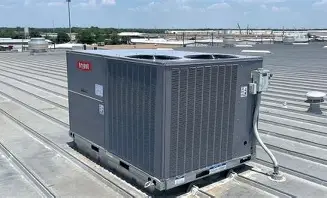
Rooftop Units (RTUs)
Rooftop units are among the most common HVAC systems used in commercial buildings. Installed on the roof, these systems combine heating and cooling components in a single unit.
Advantages include:
- Space-saving design
- Easy maintenance access
- Efficient temperature control for large spaces
RTUs are commonly used in shopping centers, warehouses, and office buildings.
Chiller Systems
Chiller systems cool water and distribute it throughout a building using pipes and air handling units. They are typically used in large facilities such as hospitals, universities, and high-rise buildings.
Benefits of chiller systems include:
- Efficient cooling for large spaces
- Precise temperature control
- Long operational lifespan
Variable Refrigerant Flow (VRF) Systems
VRF systems are modern HVAC solutions that allow precise control of temperature in multiple zones within a building.
Key features include:
- Simultaneous heating and cooling in different areas
- High energy efficiency
- Flexible installation for complex buildings
VRF systems are increasingly popular in modern commercial construction projects.
Split Systems
Split systems separate the indoor and outdoor components of an HVAC unit. They are typically used in smaller commercial buildings or businesses with specific climate control needs.
These systems are easier to install and can provide targeted climate control for individual spaces.
Commercial HVAC Services in Fort Worth
Businesses rely on professional HVAC contractors for a wide range of services throughout the lifecycle of their systems.
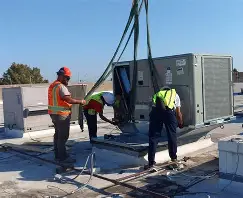
System Design and Installation
Before installation, HVAC professionals evaluate building size, layout, occupancy levels, and operational requirements. Engineers then design a system capable of maintaining consistent temperatures and airflow throughout the building.
Proper installation is essential for system performance, energy efficiency, and longevity.
Preventive Maintenance
Preventive maintenance programs help businesses avoid unexpected breakdowns and costly repairs. Regular maintenance typically includes:
- Inspecting electrical components
- Cleaning coils and filters
- Checking refrigerant levels
- Testing system controls
- Inspecting ductwork and airflow
Routine maintenance improves efficiency and extends the lifespan of HVAC equipment.
HVAC Repairs
Even well-maintained systems occasionally experience failures. Common issues include:
- Compressor problems
- Refrigerant leaks
- Electrical faults
- Airflow restrictions
- Thermostat malfunctions
Commercial HVAC repair services address these problems quickly to minimize disruption to business operations.
System Upgrades and Retrofits
As technology advances, many businesses choose to upgrade their HVAC systems to improve energy efficiency and reduce operating costs.
Common upgrades include:
- High-efficiency compressors
- Smart thermostats and automation
- Variable-speed fans
- Advanced filtration systems
Upgrading equipment can significantly reduce energy consumption and improve indoor comfort.
Industries That Depend on Commercial HVAC
Commercial HVAC systems are used across nearly every industry in Fort Worth. Each sector has unique requirements.
Healthcare Facilities
Hospitals and clinics require precise temperature control and advanced air filtration systems to maintain sterile environments and protect patient health.
Retail Stores
Retail spaces must maintain comfortable environments for shoppers, particularly during hot summer months.
Restaurants and Hospitality
Restaurants and hotels rely on HVAC systems to manage indoor temperatures, remove cooking heat, and maintain guest comfort.
Industrial Facilities
Manufacturing plants and warehouses often require specialized ventilation systems to control heat, dust, and airborne contaminants.
Educational Institutions
Schools and universities need reliable HVAC systems to maintain comfortable classrooms and healthy learning environments.
Energy Efficiency in Commercial HVAC
Energy efficiency has become a major priority for businesses seeking to reduce operational costs and environmental impact.
Modern HVAC systems incorporate technologies designed to improve performance while minimizing energy consumption.
High-Efficiency Equipment
High-efficiency units use advanced compressors, improved heat exchangers, and better airflow design to reduce energy usage.
Building Automation Systems
Smart building management systems allow businesses to control HVAC performance remotely and adjust settings automatically based on occupancy or weather conditions.
Energy Recovery Ventilation
Energy recovery systems capture heat or cooling from exhaust air and reuse it to condition incoming fresh air, improving efficiency.
Smart Thermostats
Smart thermostats enable precise temperature control and automated scheduling, reducing unnecessary energy use during off-hours.
Indoor Air Quality Considerations
Indoor air quality has become an increasingly important aspect of commercial HVAC systems. Businesses now prioritize systems that reduce pollutants and maintain healthier indoor environments.
Modern HVAC systems may include:
- High-efficiency air filters
- UV air purification systems
- Humidity control technologies
- Fresh air ventilation systems
Improved air quality contributes to healthier workplaces and enhanced occupant comfort.
Challenges Facing Commercial HVAC Systems in Fort Worth
Despite advances in technology, businesses in Fort Worth face several challenges when managing HVAC systems.
Extreme Heat
The region’s intense summer heat places heavy demand on cooling systems, increasing the risk of system strain or failure.
Aging Infrastructure
Many commercial buildings rely on HVAC systems that are more than 15 to 20 years old. Older equipment is less efficient and more prone to breakdowns.
Rising Energy Costs
Cooling large commercial spaces requires significant energy consumption, making efficiency improvements increasingly important.
Skilled Labor Shortages
The HVAC industry continues to experience a shortage of skilled technicians, which can affect installation timelines and repair availability.
Future Trends in Commercial HVAC
The commercial HVAC industry continues to evolve as businesses seek more efficient, intelligent, and sustainable solutions.
Several trends are shaping the future of commercial HVAC in Fort Worth.
Smart HVAC Systems
Smart sensors and connected devices allow HVAC systems to monitor performance and adjust automatically for optimal efficiency.
Predictive Maintenance
IoT-enabled systems can detect early warning signs of equipment failure and alert technicians before major breakdowns occur.
Sustainable Refrigerants
New refrigerants with lower environmental impact are gradually replacing older chemicals.
Net-Zero Energy Buildings
Some new commercial buildings aim to achieve net-zero energy consumption through advanced HVAC technologies combined with renewable energy systems.
Choosing the Right Commercial HVAC Contractor
Selecting the right HVAC contractor is crucial for ensuring system reliability and performance.
Businesses should consider several factors when choosing a provider:
- Industry experience and certifications
- Availability of emergency services
- Preventive maintenance programs
- Reputation and customer reviews
- Knowledge of energy-efficient technologies
Working with a qualified contractor helps ensure systems are properly designed, installed, and maintained.
Conclusion
Commercial HVAC systems are a fundamental component of modern business infrastructure in Fort Worth. From office buildings and retail spaces to hospitals and industrial facilities, these systems maintain comfortable environments, support equipment performance, and improve indoor air quality.
As Fort Worth continues to grow and commercial development expands, demand for efficient and reliable HVAC systems will remain strong. Advances in technology, energy efficiency, and smart building automation are shaping the future of the industry, allowing businesses to reduce operating costs while maintaining optimal indoor environments.
By investing in well-designed systems, regular maintenance, and modern upgrades, businesses can ensure their HVAC infrastructure supports long-term comfort, efficiency, and operational success.















Leave a Reply