
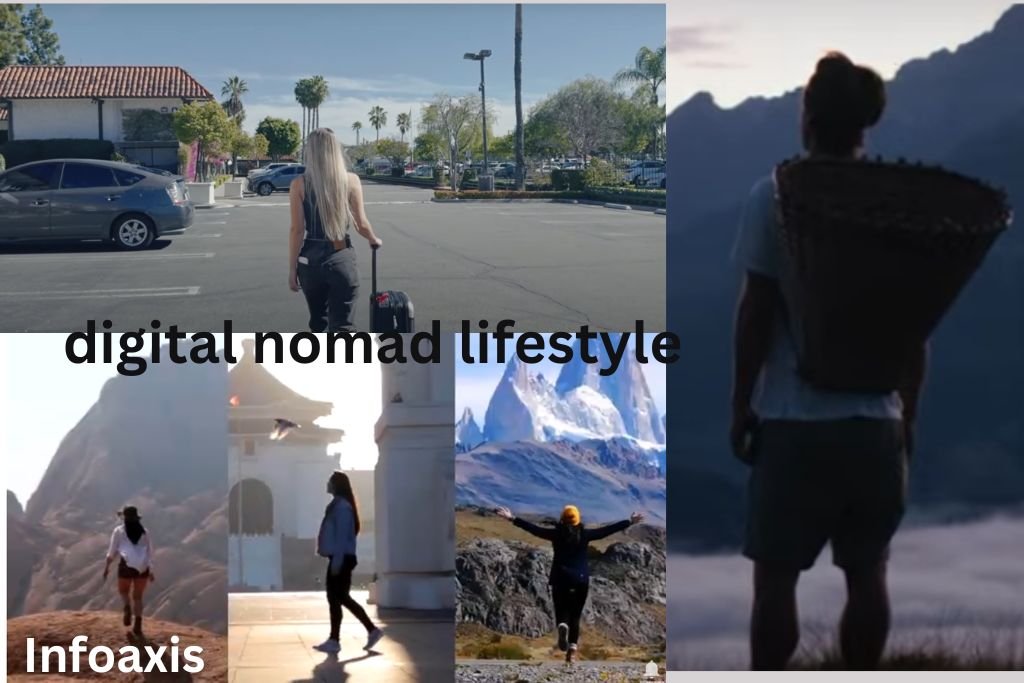
Imagine waking up to the sound of ocean waves in Bali, opening your laptop at a beachside café, finishing your work in a few hours, and then spending the evening exploring temples or watching the sunset over the sea. The next month, you might be working from a cozy apartment in Lisbon, sipping coffee in a historic plaza while answering emails.
This is not a vacation. This is the digital nomad lifestyle.
In the last decade, millions of professionals have broken free from traditional office jobs and embraced a new way of living—one where work and travel exist together. Technology has made it possible to build careers from anywhere in the world, and for many people, the dream of combining income with adventure has finally become reality.
But what exactly is the digital nomad lifestyle? How does it work, and is it really as glamorous as social media makes it look?
Let’s explore the world of digital nomads and understand how this global movement is transforming the future of work.
What is the Digital Nomad Lifestyle?
The digital nomad lifestyle refers to a way of living where individuals use technology to work remotely while traveling or living in different locations around the world.
Instead of commuting to an office every day, digital nomads work from places such as:
- Cafés
- Coworking spaces
- Hotels
- Short-term apartments
- Beaches or mountain retreats
The only real requirement is a reliable internet connection and a laptop.
Most digital nomads rely on remote jobs, freelancing, or online businesses to earn income while maintaining the freedom to move between cities and countries.
In simple terms, a digital nomad is someone who has location-independent work and a mobile lifestyle.
The Rise of the Digital Nomad Movement
The idea of working while traveling existed for years, but the digital nomad lifestyle truly exploded in popularity after the global shift toward remote work.
Several factors contributed to this growth:
1. Remote Work Revolution
Companies worldwide began allowing employees to work remotely. Once people realized they could work from home, many started asking a bigger question:
If I can work from home, why not work from anywhere in the world?
2. Technology and Internet Access
Modern digital tools make it easy to collaborate from different countries.
Common tools used by digital nomads include:
- Zoom for meetings
- Slack for communication
- Google Workspace for documents
- Project management platforms like Trello or Asana
- Online payment systems such as PayPal and Wise
These tools allow teams to function smoothly regardless of physical location.
3. Affordable Global Travel
Low-cost airlines, short-term rental platforms, and global coworking spaces have made traveling and living abroad more accessible than ever.
4. Digital Nomad Visas
Many countries now offer special visas designed for remote workers, allowing them to legally live and work for extended periods.
Countries such as:
- Portugal
- Estonia
- Croatia
- Thailand
- Indonesia
have introduced policies specifically targeting digital nomads.
Typical Jobs Digital Nomads Do
One of the most common questions people ask is: What jobs allow someone to become a digital nomad?
The answer is simple: any job that can be done online.
Some of the most popular digital nomad careers include:
Freelance Writing
Content writers, bloggers, and copywriters can work remotely for websites and companies worldwide.
Software Development
Developers and programmers are among the most common digital nomads due to the remote nature of coding work.
Graphic Design
Designers create branding, logos, and marketing materials for clients online.
Digital Marketing
Digital marketers manage:
- social media accounts
- SEO strategies
- advertising campaigns
- content marketing
Online Teaching
Many digital nomads teach languages or academic subjects through online platforms.
E-commerce and Online Businesses
Some digital nomads run their own online stores or sell digital products.
Remote Corporate Jobs
Increasingly, companies hire employees who work remotely full time, allowing them to live anywhere.
Why People Choose the Digital Nomad Lifestyle
The digital nomad lifestyle is appealing for many reasons. For some people, it represents freedom, while for others it offers personal growth and adventure.
Here are some of the biggest motivations.
Freedom and Flexibility
Traditional jobs often require fixed schedules and physical presence. Digital nomads enjoy the ability to control where and sometimes when they work.
Instead of commuting daily, they can structure their work around their lifestyle.
Travel Opportunities
Many digital nomads travel to multiple countries each year. Living in different cultures provides experiences that traditional careers rarely offer.
Imagine working in:
- a mountain town in Switzerland
- a beach town in Thailand
- a historic city in Spain
All within the same year.
Lower Cost of Living
Some digital nomads choose destinations where living costs are much lower than in their home country. This allows them to save money while enjoying a higher quality of life.
Personal Growth
Living in different countries teaches valuable life skills such as:
- adaptability
- cultural awareness
- independence
- problem solving
These experiences can significantly broaden one’s perspective on the world.
Challenges of the Digital Nomad Lifestyle
While the lifestyle appears exciting, it also comes with real challenges.
Income Stability
Freelancers and entrepreneurs may face irregular income. Unlike traditional employment, work opportunities can fluctuate.
Internet and Work Infrastructure
Reliable internet is essential for remote work. Some locations may not offer strong connectivity, making productivity difficult.
Loneliness and Social Isolation
Constant travel can make it difficult to maintain long-term friendships or relationships.
Some digital nomads experience loneliness because they are frequently moving between places.
Visa and Legal Issues
Traveling long-term requires navigating visa regulations, taxation rules, and residency requirements.
This can sometimes become complicated depending on the country.
Work-Life Balance
Ironically, some digital nomads struggle to separate work from travel.
Working in beautiful locations can sometimes lead to distractions or burnout if schedules are not managed properly.
Popular Destinations for Digital Nomads
Certain cities have become global hubs for digital nomads due to affordability, infrastructure, and community.
Bali, Indonesia
Bali is one of the most famous digital nomad destinations thanks to its coworking spaces, beaches, and active remote worker community.
Chiang Mai, Thailand
This city offers a very low cost of living combined with strong internet infrastructure.
Lisbon, Portugal
Lisbon attracts digital nomads with its vibrant culture, pleasant climate, and growing startup ecosystem.
Mexico City, Mexico
Mexico City has become popular due to its affordability, food culture, and vibrant social scene.
Barcelona, Spain
Barcelona offers a perfect combination of Mediterranean lifestyle and modern coworking environments.
How to Become a Digital Nomad
Transitioning into a digital nomad lifestyle requires planning and preparation.
Step 1: Build a Remote Income Source
Before traveling, secure a job or business that allows remote work.
Step 2: Reduce Expenses
Minimizing financial commitments at home makes long-term travel easier.
Step 3: Choose Digital Nomad Friendly Locations
Look for destinations with:
- affordable living costs
- reliable internet
- coworking spaces
Step 4: Organize Finances
Use international banking systems and digital payment platforms to manage money while traveling.
Step 5: Start Slowly
Many aspiring digital nomads begin by traveling for a few months before committing fully to the lifestyle.
The Future of the Digital Nomad Lifestyle
The digital nomad movement is still evolving, and its future looks incredibly promising.
More companies are adopting remote-first policies, allowing employees to work from anywhere.
Governments are recognizing the economic benefits of attracting remote workers, which is why digital nomad visas are expanding globally.
Technology will continue to improve collaboration tools, making remote work even easier.
In the coming years, the digital nomad lifestyle may become one of the most common ways professionals choose to work and live.
Final Thoughts
The digital nomad lifestyle represents a major shift in how people think about work, freedom, and travel. It challenges the traditional idea that a career must be tied to a specific office or location.
For some people, it means working from tropical beaches. For others, it means exploring historic cities or living in nature while maintaining a successful career online.
However, it is not just about travel—it is about designing a life that combines productivity, independence, and personal fulfillment.
As technology continues to reshape the modern workplace, the digital nomad lifestyle will likely inspire even more people to rethink what work and life can look like.
If you are interested in exploring modern work trends, travel insights, and lifestyle guides like this, you can discover more helpful content and insights on Infoaxis, where we explore topics that help people navigate the digital world and modern lifestyles.
Read More : DrHomey Handy Tips
Read More : Klasemen PSS Sleman









Leave a Reply