
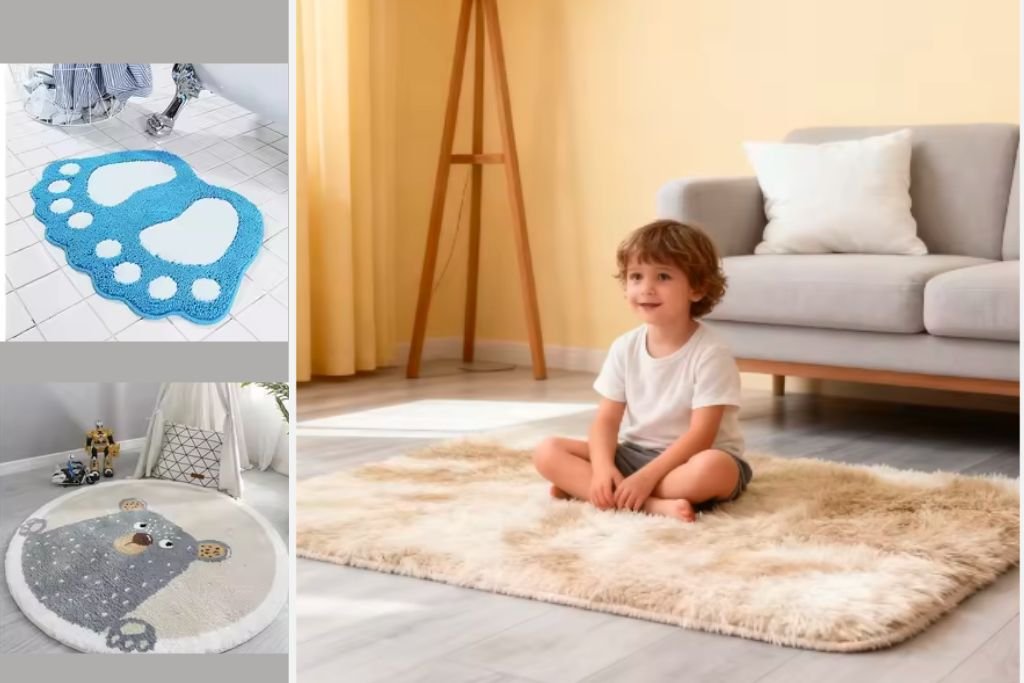
Wollmatten: The Quiet Material Powering Sustainable Living
You don’t notice it at first.
It’s hidden behind walls, beneath floors, inside quiet rooms where sound feels softer and air feels calmer. No plastic smell. No synthetic harshness. Just a subtle, natural presence doing its job silently.
That material is Wollmatten—a centuries-old solution that is suddenly becoming one of the most relevant materials in modern construction, sustainability, and human-centered design.
This is not just about “wool mats.” This is about a material that intersects engineering, ecology, architecture, and health—and is now re-emerging as a serious alternative to synthetic insulation.
What Are Wollmatten?
Definition and Meaning
Wollmatten is a German term:
- “Woll” = Wool
- “Matten” = Mats
It refers to compressed, processed wool fibers formed into mats, sheets, or rolls, used for insulation, acoustics, and eco-friendly construction.
Forms of Wollmatten
Wollmatten are not a single product. They exist in multiple engineered forms:
Felted Wool Mats
- Produced through heat, moisture, and pressure
- Dense, compact structure
- Ideal for insulation and flooring
Woven Wool Mats
- Textile-based structure
- Flexible and breathable
- Used in interiors and décor
Needle-Punched Wool Mats
- Mechanically bonded fibers
- High durability
- Used in industrial applications
Composite Wool Panels
- Wool mixed with natural binders
- Structural applications
The Science Behind Wool Fiber
To understand Wollmatten, you must understand wool fiber engineering.
Microscopic Structure
Each wool fiber has three key layers:
Cuticle (Outer Layer)
- Water-resistant
- Protects fiber from damage
Cortex (Middle Layer)
- Provides elasticity and strength
- Responsible for crimp (natural waviness)
Medulla (Core)
- Air pockets (in some fibers)
- Enhances insulation
Why Wool Performs So Well
Wool is not just a fiber—it is a natural smart material:
- Crimp creates air pockets → thermal insulation
- Hygroscopic nature → absorbs and releases moisture
- Protein-based → naturally flame resistant
Manufacturing Process of Wollmatten
Step-by-Step Production
Raw Wool Collection
- Sourced from sheep shearing
- Contains lanolin, dirt, and organic impurities
Cleaning (Scouring)
- Removes grease and contaminants
- Uses water and mild detergents
Carding
- Fibers aligned into uniform layers
- Improves consistency
Web Formation
- Layers of wool stacked
- Thickness controlled
Bonding Process
Depending on type:
- Felting: Heat + pressure + moisture
- Needle punching: Mechanical entanglement
- Chemical bonding: Eco binders (optional)
Finishing Treatments
- Fire retardant (optional)
- Pest resistance (anti-moth)
- Anti-fungal treatment
Thermal Insulation Performance
How Wollmatten Insulate
Wollmatten trap air within fibers, creating a low thermal conductivity barrier.
Key Formula Concept
Heat transfer is reduced because:
- Air is a poor conductor
- Wool structure traps still air
Technical Values
- Thermal conductivity: 0.035 – 0.040 W/mK
- Comparable to fiberglass and mineral wool
Performance Advantages
- Works in both hot and cold climates
- Maintains performance even when slightly damp
- No thermal bridging
Moisture Management System
Hygroscopic Behavior
Wool can absorb:
- Up to 30% of its weight in moisture
- Without feeling wet
Why This Matters
Prevents Condensation
- Reduces mold growth
- Protects building structure
Regulates Indoor Climate
- Stabilizes humidity levels
- Improves comfort
Acoustic Insulation Properties
Sound Absorption Mechanism
Wool fibers:
- Break sound waves
- Reduce echo and reverberation
Technical Impact
- High Noise Reduction Coefficient (NRC)
- Effective for:
- Studios
- Offices
- Homes
Comparison
Wollmatten outperform many synthetic materials in mid to high-frequency absorption.
Fire Resistance Characteristics
Natural Fire Behavior
Wool:
- Ignition temperature: ~570–600°C
- Self-extinguishing
- Does not melt or drip
Safety Benefits
- Emits less toxic smoke than synthetics
- Slows flame spread
Environmental and Sustainability Impact
Renewable Resource
- Sheep regrow wool annually
- Continuous natural cycle
Biodegradability
- Fully decomposes in soil
- No microplastic pollution
Carbon Footprint
- Lower energy production than synthetic insulation
- Stores carbon within fibers
Applications of Wollmatten
Construction Industry
Wall Insulation
- Internal and external walls
Roof Insulation
- Thermal barrier for buildings
Floor Systems
- Underlayment for warmth and sound control
Interior Design
Rugs and Carpets
- Natural aesthetic
- Breathable and soft
Wall Panels
- Acoustic + decorative
Industrial Applications
Filtration Systems
- Air and oil filtration
Packaging
- Shock-absorbing eco material
Agricultural Use
Soil Protection
- Prevents erosion
Plant Insulation
- Protects roots in cold climates
Wellness and Lifestyle
Yoga and Meditation Mats
- Chemical-free surface
- Natural comfort
Technical Comparison with Synthetic Materials
Wollmatten vs Fiberglass
- Wool is safer to handle
- Fiberglass irritates skin and lungs
Wollmatten vs Foam Insulation
- Foam is non-biodegradable
- Wool is eco-friendly
Wollmatten vs Mineral Wool
- Similar insulation performance
- Better moisture control in wool
Limitations and Challenges
Cost Factor
- More expensive than synthetic options
Pest Vulnerability
- Susceptible to moth damage
- Requires treatment
Maintenance Needs
- Sensitive to harsh chemicals
Why Wollmatten Are Suddenly Trending
Environmental Awareness
People are moving away from:
- Plastic-based materials
- Toxic indoor environments
Green Building Movement
- Sustainable architecture demand rising
- Certification systems favor natural materials
Health Concerns
- Indoor air quality is now a priority
- Wool improves breathable environments
Why This Sudden Urgency Exists
The Real Problem
Modern construction has created:
- Toxic indoor air
- Poor ventilation
- Synthetic overload
Climate Pressure
- Buildings contribute massive emissions
- Need for low-impact materials
Human Health Crisis
- Allergies and respiratory issues rising
- Chemical exposure increasing
Wollmatten are emerging not as a trend—but as a response to these failures.
What Should Be Done Next to Protect This Shift
Industry-Level Actions
- Promote natural insulation policies
- Encourage eco-material subsidies
- Invest in wool processing infrastructure
Consumer-Level Actions
- Choose natural over synthetic
- Demand transparency in materials
- Support sustainable brands
Research and Innovation
- Improve durability treatments
- Lower production costs
- Expand applications
Role of Video Content (YouTube and Educational Media)
What You’ll Find in Videos
Manufacturing Demonstrations
- Sheep shearing to finished mats
- Industrial processing walkthroughs
Installation Guides
- How to install Wollmatten in walls and roofs
- DIY insulation tutorials
Performance Testing
- Thermal comparison experiments
- Fire resistance demonstrations
Eco-Architecture Case Studies
- Sustainable homes using wool insulation
Why Video Content Matters
- Visual understanding of material behavior
- Builds trust in natural materials
- Helps adoption among beginners and professionals
Frequently Asked Questions (Q&A Key Section)
What is Wollmatten used for?
Wollmatten are used for insulation, soundproofing, flooring, and eco-friendly construction applications.
Is Wollmatten better than fiberglass?
Yes in terms of sustainability, safety, and moisture control, though it may cost more.
Does Wollmatten absorb water?
It absorbs moisture but does not feel wet and still maintains insulation performance.
Is Wollmatten fireproof?
It is not fully fireproof but is naturally flame-resistant and self-extinguishing.
How long does Wollmatten last?
With proper care, it can last decades due to its elastic and durable fiber structure.
Is Wollmatten eco-friendly?
Yes, it is renewable, biodegradable, and has a low environmental impact.
Key Data Summary (Answer Key Section)
- Material: Natural sheep wool
- Thermal conductivity: 0.035–0.040 W/mK
- Moisture absorption: Up to 30% of weight
- Fire behavior: Self-extinguishing, high ignition point
- Acoustic performance: High sound absorption
- Sustainability: Renewable and biodegradable
- Main uses: Insulation, flooring, acoustics, agricultu









Leave a Reply